EN
EN
 AR
AR
 FR
FR
 PT
PT
 RU
RU
 ES
ES






Tzone was established in Shenzhen.
This simplicity is a lie. Beneath the hood churns a simulation of breathtaking density. Version 5.31, like its predecessors, is a game of systemic emergence. The rules are not hidden, but their interactions are so vast that no player can predict the outcome of any given turn. You do not control your empire; you influence it. You do not command every unit; you give orders and hope they survive the night. The game's soul lies in its factions. With over 30 unique leaders (from the mighty Warlock to the humble Barber-Surgeon, and the terrifying Dimensional Horror), COE5 achieves a level of asymmetry that makes StarCraft look symmetrical. Version 5.31 continues to refine these factions, adding new monsters, rituals, and tweaks that ensure no two games feel the same.
This asymmetry extends to victory conditions. While a Domination victory (eliminate all rivals) is standard, many factions chase unique goals: the Warlock builds a planar gate, the Troll King seeks the three magical cauldrons, the Senator aims to control the capital. Version 5.31's tweaks to AI behavior mean computer opponents now pursue these objectives with more focus, turning a sandbox into a genuine race against time. Most strategy games treat randomness as a spice. COE5 treats it as the main course. A random event in Civilization might give you a free tech. A random event in COE5 might: spawn a dragon that burns your capital to the ground, turn your best hero into a frog, open a portal to the Void that spews horrors across the map, or gift you a mysterious amulet that doubles your gold—or curses your bloodline.
In a strategy genre obsessed with e-sports and ladder climbing, Illwinter has crafted something more valuable: a game that is endlessly, gloriously unpredictable. It asks nothing of you but attention and a willingness to fail. And in return, it offers stories you will retell for years. Long live the chaos. Conquest of Elysium 5 v5.31
Consider the Necromancer: a frail old man who grows an unstoppable army from every fallen peasant and goblin. His power snowballs, but he is vulnerable early, and his undead crumble without his presence. Contrast this with the Enchantress: a mistress of beasts who can befriend even dragons but must carefully manage her forest allies and avoid the taint of civilization. Or the Demonologist, who trades souls for power, only to risk summoning a Balrog that might decide the player looks like a tastier snack than the enemy.
But if you are a player who has grown bored of predictable strategy loops—who craves a game where a single wandering minotaur can derail your entire campaign, where a lucky find in a dungeon can turn a lost game into a miraculous comeback—then COE5 is a revelation. It belongs on a small shelf next to Dwarf Fortress , Caves of Qud , and RimWorld : games that prioritize emergent narrative over curated experience. This simplicity is a lie
In an era where strategy games strive for balance, competitive fairness, and polished predictability, Conquest of Elysium 5 (COE5) feels like a forbidden grimoire smuggled onto a spreadsheet's desktop. Developed by Illwinter Game Design—the famously idiosyncratic Swedish duo behind the deep, dense Dominions series—COE5 is not a game you master; it is a game you survive. Version 5.31, the latest major iteration at the time of this writing, refines without sanitizing, offering a masterpiece of controlled chaos. To play COE5 is to abandon the illusion of control and embrace the art of improvisation. It is less a chess match and more a magical ritual where the summoner has no idea what demon might answer the call. The Facade of Simplicity At first glance, COE5 appears deceptively simple, even primitive. The world is a tile-based hex map. You move stacks of units. You click "End Turn." There is no diplomacy, no city management, no tech tree. Resources are abstracted into gold, influence (used for hiring heroes and performing rituals), and various forms of "lore" for magical research. Combat is entirely automated, playing out in a separate, skippable window with charmingly retro 2D sprites clashing in chaotic scrums.
Version 5.31 is the definitive way to play. It respects the original vision—a digital adaptation of the chaotic, solo tabletop wargames of the 1980s—while sanding off just enough rough edges to make the experience accessible to the persistent newcomer. Conquest of Elysium 5 (v5.31) is not a game you win. It is a game you experience. Each campaign is a short story, often tragic, sometimes hilarious, and occasionally triumphant. You will rage when your level 10 hero is killed by a random goblin arrow. You will cheer when a desperate ritual summons a Phoenix that saves your capital. You will learn to fear the sound of a spider moving through the fog of war. The rules are not hidden, but their interactions
Version 5.31 has done little to tame this chaos, and thank the gods for that. The "RNG" (random number generator) is not a flaw; it is the narrative engine. One game, your ambitious Necromancer might find a graveyard on turn two, fueling a death march. The next, that same Necromancer might step into a haunted ruin, get possessed, and immediately die. The game laughs at your "strategy."
This simplicity is a lie. Beneath the hood churns a simulation of breathtaking density. Version 5.31, like its predecessors, is a game of systemic emergence. The rules are not hidden, but their interactions are so vast that no player can predict the outcome of any given turn. You do not control your empire; you influence it. You do not command every unit; you give orders and hope they survive the night. The game's soul lies in its factions. With over 30 unique leaders (from the mighty Warlock to the humble Barber-Surgeon, and the terrifying Dimensional Horror), COE5 achieves a level of asymmetry that makes StarCraft look symmetrical. Version 5.31 continues to refine these factions, adding new monsters, rituals, and tweaks that ensure no two games feel the same.
This asymmetry extends to victory conditions. While a Domination victory (eliminate all rivals) is standard, many factions chase unique goals: the Warlock builds a planar gate, the Troll King seeks the three magical cauldrons, the Senator aims to control the capital. Version 5.31's tweaks to AI behavior mean computer opponents now pursue these objectives with more focus, turning a sandbox into a genuine race against time. Most strategy games treat randomness as a spice. COE5 treats it as the main course. A random event in Civilization might give you a free tech. A random event in COE5 might: spawn a dragon that burns your capital to the ground, turn your best hero into a frog, open a portal to the Void that spews horrors across the map, or gift you a mysterious amulet that doubles your gold—or curses your bloodline.
In a strategy genre obsessed with e-sports and ladder climbing, Illwinter has crafted something more valuable: a game that is endlessly, gloriously unpredictable. It asks nothing of you but attention and a willingness to fail. And in return, it offers stories you will retell for years. Long live the chaos.
Consider the Necromancer: a frail old man who grows an unstoppable army from every fallen peasant and goblin. His power snowballs, but he is vulnerable early, and his undead crumble without his presence. Contrast this with the Enchantress: a mistress of beasts who can befriend even dragons but must carefully manage her forest allies and avoid the taint of civilization. Or the Demonologist, who trades souls for power, only to risk summoning a Balrog that might decide the player looks like a tastier snack than the enemy.
But if you are a player who has grown bored of predictable strategy loops—who craves a game where a single wandering minotaur can derail your entire campaign, where a lucky find in a dungeon can turn a lost game into a miraculous comeback—then COE5 is a revelation. It belongs on a small shelf next to Dwarf Fortress , Caves of Qud , and RimWorld : games that prioritize emergent narrative over curated experience.
In an era where strategy games strive for balance, competitive fairness, and polished predictability, Conquest of Elysium 5 (COE5) feels like a forbidden grimoire smuggled onto a spreadsheet's desktop. Developed by Illwinter Game Design—the famously idiosyncratic Swedish duo behind the deep, dense Dominions series—COE5 is not a game you master; it is a game you survive. Version 5.31, the latest major iteration at the time of this writing, refines without sanitizing, offering a masterpiece of controlled chaos. To play COE5 is to abandon the illusion of control and embrace the art of improvisation. It is less a chess match and more a magical ritual where the summoner has no idea what demon might answer the call. The Facade of Simplicity At first glance, COE5 appears deceptively simple, even primitive. The world is a tile-based hex map. You move stacks of units. You click "End Turn." There is no diplomacy, no city management, no tech tree. Resources are abstracted into gold, influence (used for hiring heroes and performing rituals), and various forms of "lore" for magical research. Combat is entirely automated, playing out in a separate, skippable window with charmingly retro 2D sprites clashing in chaotic scrums.
Version 5.31 is the definitive way to play. It respects the original vision—a digital adaptation of the chaotic, solo tabletop wargames of the 1980s—while sanding off just enough rough edges to make the experience accessible to the persistent newcomer. Conquest of Elysium 5 (v5.31) is not a game you win. It is a game you experience. Each campaign is a short story, often tragic, sometimes hilarious, and occasionally triumphant. You will rage when your level 10 hero is killed by a random goblin arrow. You will cheer when a desperate ritual summons a Phoenix that saves your capital. You will learn to fear the sound of a spider moving through the fog of war.
Version 5.31 has done little to tame this chaos, and thank the gods for that. The "RNG" (random number generator) is not a flaw; it is the narrative engine. One game, your ambitious Necromancer might find a graveyard on turn two, fueling a death march. The next, that same Necromancer might step into a haunted ruin, get possessed, and immediately die. The game laughs at your "strategy."


With 18 years of export experience, over 50 employees, and a 1,500+m2 factory area, we stand strong.

With over 30 certifications, 20+ pieces of equipment, 6 series of products, and annual sales of 550W+, we deliver excellence.

Industry Experience
Production lines
Employee
Factory area
Cooperated with British Telecom, providing them the customized GPS terminals.

A factory.
For samples, it will take about 3 working days; For bulk order, depends on quantity.
Yes, welcome to be our distributor. We will have evaluation system for all of our distributors every 3 months.
Based on different product, we have different policy for sample.
Of course. We look forward to meeting our customers and showing you our products.
You can depend on this product Has a good quality and easy to use Also they have good customer support You can use API connection

Thigh quality best Comunication with seller and Product very Good

Professional supplier: all my requests of modification have been accepted, studied and realized; this service has been very important and appreciated - Delivery ok, as expected, nothing to complain

packaging is good, track informative. There were some stops in Germany, but it is Lithium, normal


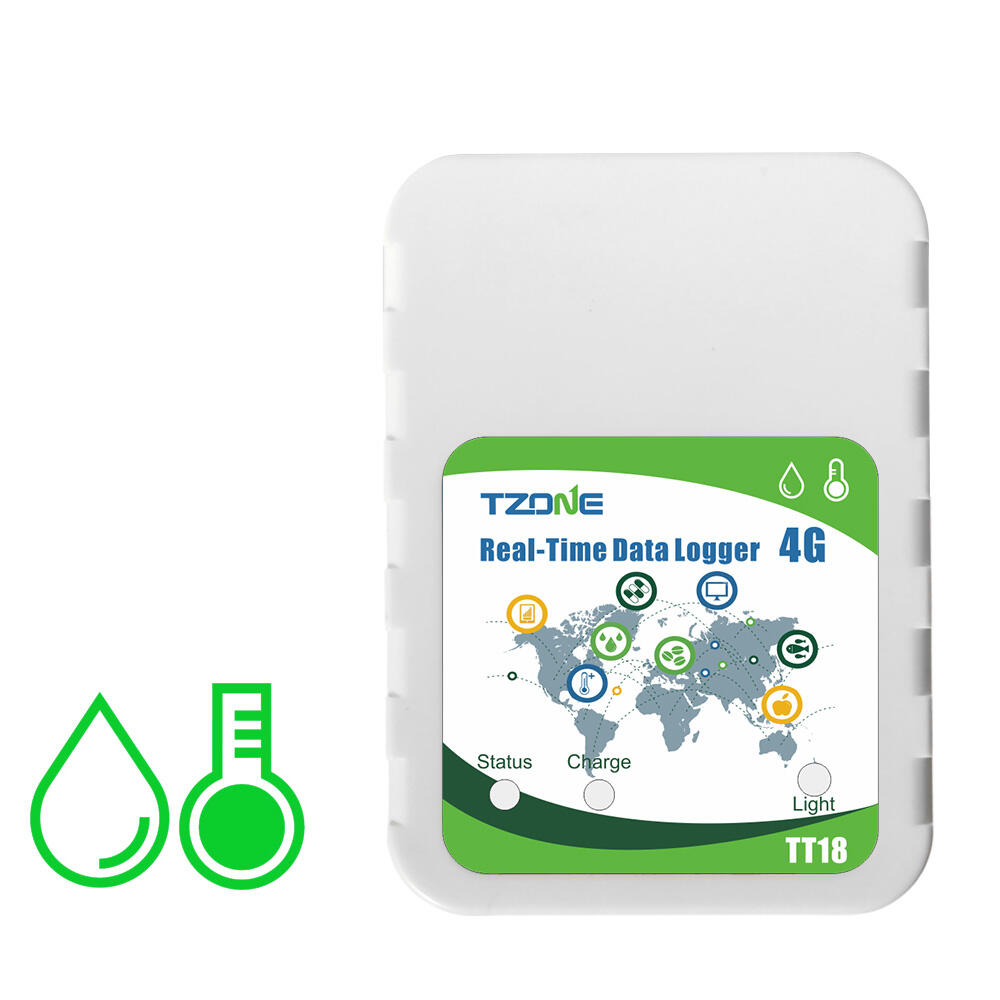
Learn about Tzone’s wireless temperature receivers and sensors. Revolutionizing HVAC, kitchen, and catering industries with advanced temperature monitoring solutions.

Discover Tzone’s Bluetooth temperature data loggers. Revolutionizing temperature monitoring across various industries with advanced technology and reliability.

Explore how Tzone’s modern temperature monitors are transforming logistics and transportation. Enhance efficiency and accuracy with our cutting-edge solutions.