Farabi - Harfler Kitabi File





 SHOP
SHOP
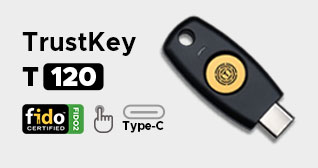
TrustKey
Global Group
The Best Partner for You
Global Group
The Best Partner for You
FIDO2 Security Key
Experience the easy-to-use login with Powerful security at the same time.

01
Fast login
without password
02
No more
fingerprint data breach
03
User Protection
with Multi-Protocol Support
04
Multiple
client devices supported
05
FIDO2 Security
Level 2 certified
06
Microsoft Azure
AD support
In his masterpiece, , Farabi does something revolutionary. He does not simply list the Arabic alphabet. Instead, he constructs a philosophical map of how human knowledge moves from silence to speech, and from speech to truth. Beyond Grammar: The Three Layers of "Letters" Farabi argues that the word "letter" ( harf ) means three different things, and confusing them has led to centuries of philosophical error. 1. The Physical Sound (Harf al-Sawt) The raw, material sound we make with our mouths. These are the atomic particles of language—the 'A,' 'B,' and 'T' that exist physically in the air. 2. The Written Sign (Rasm) The ink on the page. A symbol that represents the sound. This is the domain of the scribe and the grammarian. 3. The Logical Particle (Harf al-Ma'na) This is the heart of Farabi’s project. These "letters" are not sounds or shapes but the logical connectors that structure thought itself. Words like "and," "or," "if," "not," and "every."
When we think of an alphabet, we think of learning to read. But for the great Islamic philosopher Abu Nasr al-Farabi (872–950 CE), letters were not just tools for literacy—they were the very building blocks of logic, metaphysics, and human understanding.
The alphabet, for Farabi, is the fossilized remains of ancient wisdom.
In his masterpiece, , Farabi does something revolutionary. He does not simply list the Arabic alphabet. Instead, he constructs a philosophical map of how human knowledge moves from silence to speech, and from speech to truth. Beyond Grammar: The Three Layers of "Letters" Farabi argues that the word "letter" ( harf ) means three different things, and confusing them has led to centuries of philosophical error. 1. The Physical Sound (Harf al-Sawt) The raw, material sound we make with our mouths. These are the atomic particles of language—the 'A,' 'B,' and 'T' that exist physically in the air. 2. The Written Sign (Rasm) The ink on the page. A symbol that represents the sound. This is the domain of the scribe and the grammarian. 3. The Logical Particle (Harf al-Ma'na) This is the heart of Farabi’s project. These "letters" are not sounds or shapes but the logical connectors that structure thought itself. Words like "and," "or," "if," "not," and "every."
When we think of an alphabet, we think of learning to read. But for the great Islamic philosopher Abu Nasr al-Farabi (872–950 CE), letters were not just tools for literacy—they were the very building blocks of logic, metaphysics, and human understanding. Farabi - Harfler Kitabi
The alphabet, for Farabi, is the fossilized remains of ancient wisdom. In his masterpiece, , Farabi does something revolutionary














How to enroll fingerprint with BioManager
How to sign into G Suite using TrustKey
Meet TrustKey’s expert.
CONTACT US
Copyright © 2020 TrustKey. All Rights Reserved.