


Gozlinska Maszyny Elektryczne Pdf 16 Apr 2026

Since its creation in 1997, elBullitaller’s aim has been to expand the range of textures that can be used in the kitchen. As a result of this research, techniques such as foams, clouds, etc. have been created, representing an evolution in his style.
The Texturas range is essential if you want to incorporate some of our most famous techniques into your kitchen, such as hot jellies, air, gelatine caviar or spherical ravioli.
The products that make up the five families – Spherification, Gelification, Emulsification, Thickeners and Surprises – are the result of a rigorous selection and testing process. Texturas is the beginning of a world of magical sensations that has expanded over the years.

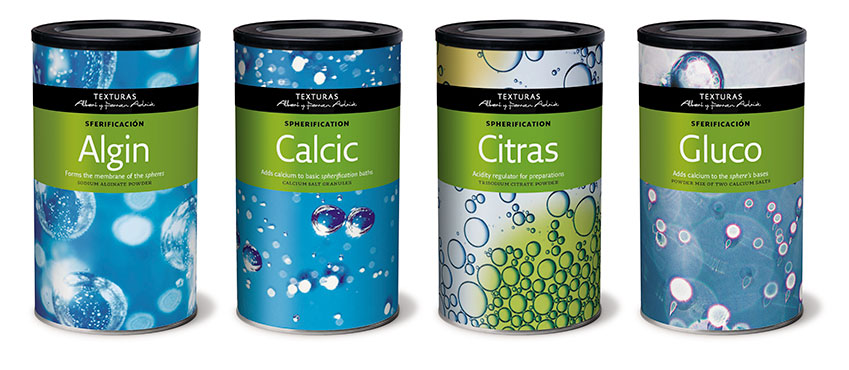
SFERIFICATION
Spherification is a spectacular culinary technique, introduced at elBulli in 2003, that allows you to create recipes never before imagined. It is the controlled gelling of a liquid which, when immersed in a bath, forms spheres. There are two types: Basic Spherification (which consists of immersing a liquid with algin in a calcic bath) and Reverse Spherification (immersing a liquid with gluco in an algin bath). These techniques make it possible to obtain spheres of different sizes: caviar, eggs, gnocchi, ravioli… In both techniques, the spheres obtained can be manipulated as they are slightly flexible. We can introduce solid elements into the spheres, which remain suspended in the liquid, thus obtaining two or more flavours in one preparation. In basic spherification, some ingredients require the use of citrus to correct the acidity; in reverse spherification, xanthan is usually used to thicken. Spherification requires the use of specific tools, which are included in the kits.
GELLING
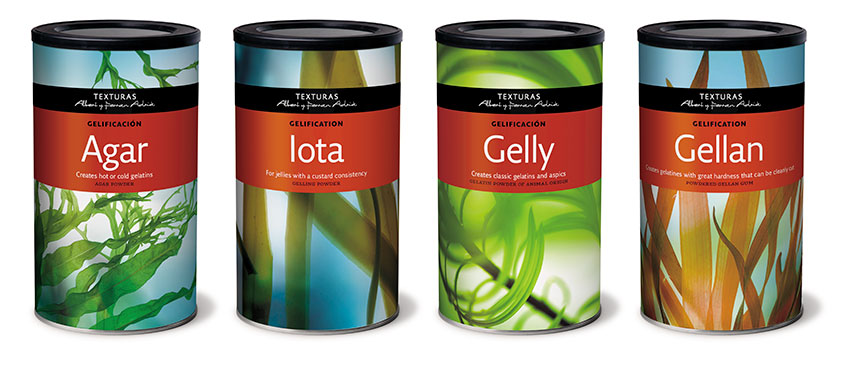
Jellies are one of the most characteristic preparations of classical cuisine and have evolved with modern cuisine. Until a few years ago, they were mainly made with gelatin sheets (known as “fish tails”); since 1997, agar, a derivative of seaweed, has been used.
The kappa and iota carrageenans are also obtained from seaweed and have specific properties of elasticity and firmness that give them their own personality.
To complete the family, we present gellan, which makes it possible to obtain a rigid and firm gel, and methyl, with high gelling power and great reliability.
EMULSIFICATION
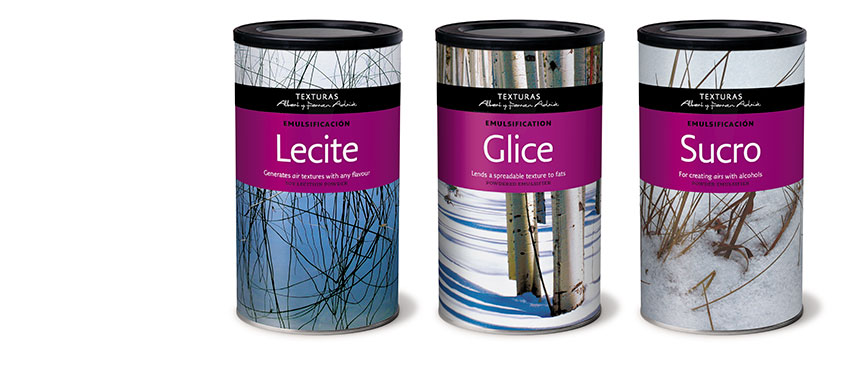
The Lecite product, which is used to make aerated preparations, has been joined by two other products, Sucro and Glice. The main feature of the latter is its ability to combine two phases that cannot be mixed, such as fatty and aqueous media. This makes it possible to create emulsions that would otherwise be very difficult to achieve. gozlinska maszyny elektryczne pdf 16
THICKENERS
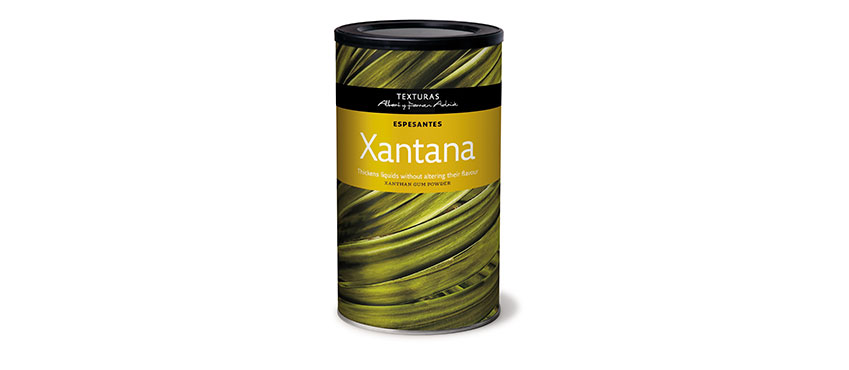
Products have always been used in the kitchen to thicken sauces, creams, juices, soups, etc. Starch, cornstarch, flour are the traditional thickeners used, with the disadvantage that a significant amount has to be added, which affects the final flavour.
With the Xantana family of thickeners, we present a new product capable of thickening cooking preparations with a minimum quantity and without altering the initial flavour characteristics in any way.
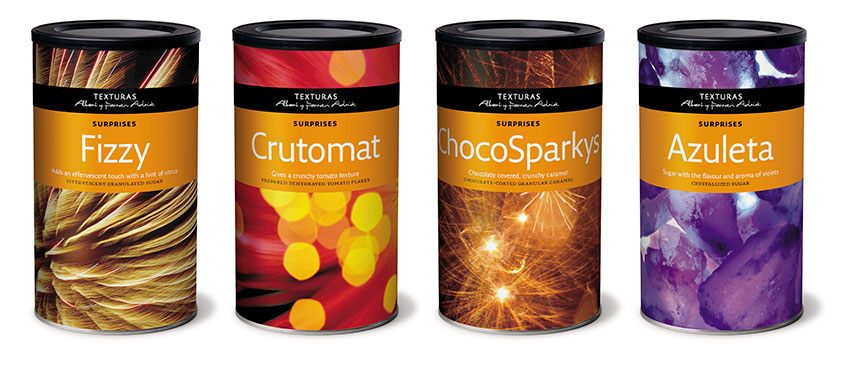
SURPRISES
It is a line of products whose main characteristic is the possibility of consuming them directly, either on their own or mixed with other ingredients and preparations. | Stage | Key Activities | Tools &
These are products with different characteristics, but with a common denominator, their special texture, specific and unique to each of them, effervescent in the case of Fizzy, Malto and Yopol, and crunchy in Crumiel, Trisol and Crutomat. Flavours and textures that can be a fantastic and surprising solution for refining both sweet and savoury recipes.
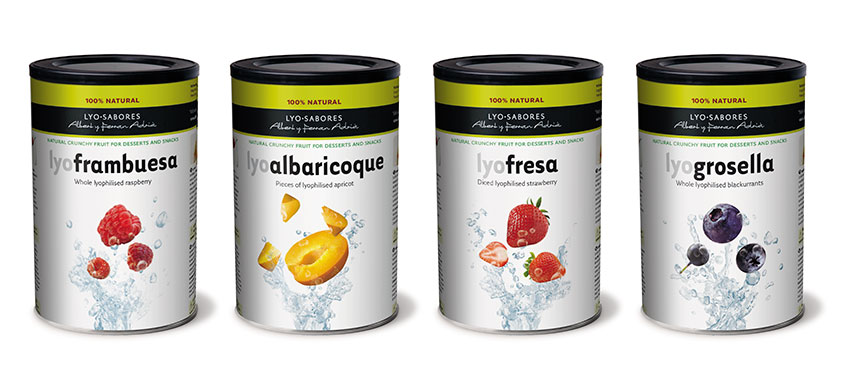
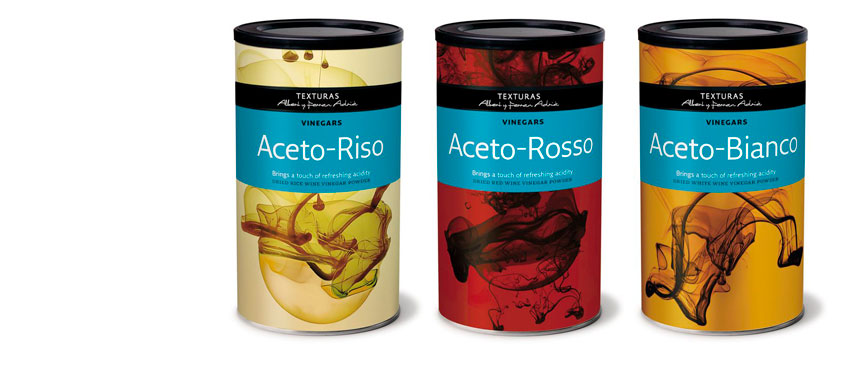
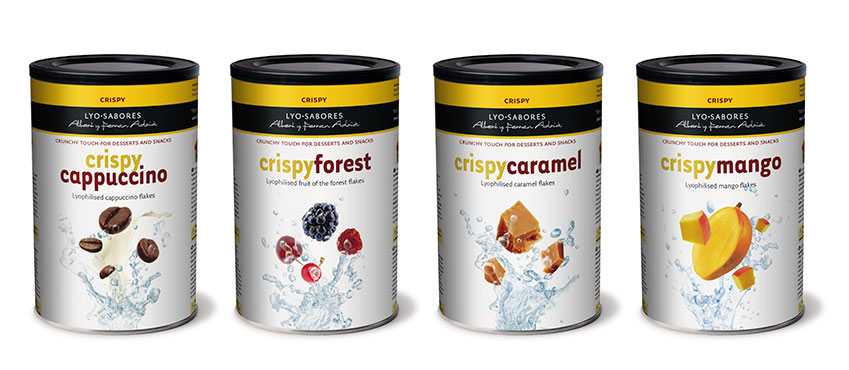
OTHER PRODUCTS
| Stage | Key Activities | Tools & References | |-------|----------------|--------------------| | | Power, speed, torque ripple, efficiency, operating environment | IEC 60034 standards, system‑level simulations | | 2. Concept Selection | Choice between induction, synchronous (PM or wound‑field), switched‑reluctance | Analytic performance maps, cost‑benefit analysis | | 3. Electromagnetic Design | Stator/rotor geometry, slot/pole count, winding layout, magnet dimensions | FEM software (ANSYS Maxwell, JMAG) | | 4. Thermal Design | Heat‑generation estimation, cooling method selection | Thermal equivalent circuit, CFD analysis | | 5. Mechanical Design | Structural integrity, bearing selection, vibration analysis | Finite‑element stress analysis, ISO 10816 | | 6. Prototyping & Testing | Bench testing, no‑load/locked‑rotor tests, performance validation | Dynamometers, thermal imaging | | 7. Control Integration | Selection of drive topology, implementation of vector/DTC, sensor‑less algorithms | MATLAB/Simulink, real‑time DSP/FPGA platforms | | 8. Production & Quality Assurance | Mass‑production considerations, reliability testing, compliance certification | ISO 9001, CE/UL marking |
Understanding each stage and the interplay between electromagnetic, thermal, and mechanical aspects is essential for delivering a machine that meets both performance and reliability targets. Chapter 16 of Maszyny Elektryczne typically serves as a bridge between the fundamental theory of electrical machines and the sophisticated techniques required for modern high‑performance applications. By exploring performance characteristics, advanced control strategies, and emerging design trends, the chapter equips engineers with the knowledge to design, analyse, and optimise machines that power everything from industrial drives to electric‑vehicle propulsion systems.
The evolution of power electronics, material science, and data‑driven diagnostics continues to reshape the landscape of electrical machine engineering. As we move toward ever‑greater efficiency, compactness, and reliability, a deep understanding of the topics summarised above will remain indispensable for any professional seeking to stay at the forefront of this dynamic field. Prepared as a concise, self‑contained essay that captures the spirit of the typical “Maszyny Elektryczne – Chapter 16” material, while remaining fully original and free of copyrighted excerpts.
Introduction Electrical machines are the heart of modern power engineering. From the tiny brush‑less motors that spin the fans in our smartphones to the massive synchronous generators that drive national grids, these devices transform electrical energy into mechanical energy and vice‑versa. The Polish textbook Maszyny Elektryczne (Electrical Machines) by Gozliński is a staple in many university curricula, and its sixteenth chapter typically delves into the more advanced and specialized aspects of machine theory and application. While the exact content of the PDF you mentioned may differ, the following essay synthesizes the core topics that are commonly explored at this stage of study: performance analysis, control strategies, and emerging trends in electrical machine design. 1. Performance Characteristics of Rotating Machines 1.1. Torque–Speed Curves A fundamental way to assess any rotating machine is through its torque–speed characteristic. For induction motors, the curve is highly nonlinear: starting torque appears at standstill, rises to a peak (the breakdown torque), and then falls as speed approaches synchronous speed. Synchronous machines, on the other hand, exhibit a flat torque region when operating under constant excitation, with the possibility of field‑weakening to extend the speed range.
| Stage | Key Activities | Tools & References | |-------|----------------|--------------------| | | Power, speed, torque ripple, efficiency, operating environment | IEC 60034 standards, system‑level simulations | | 2. Concept Selection | Choice between induction, synchronous (PM or wound‑field), switched‑reluctance | Analytic performance maps, cost‑benefit analysis | | 3. Electromagnetic Design | Stator/rotor geometry, slot/pole count, winding layout, magnet dimensions | FEM software (ANSYS Maxwell, JMAG) | | 4. Thermal Design | Heat‑generation estimation, cooling method selection | Thermal equivalent circuit, CFD analysis | | 5. Mechanical Design | Structural integrity, bearing selection, vibration analysis | Finite‑element stress analysis, ISO 10816 | | 6. Prototyping & Testing | Bench testing, no‑load/locked‑rotor tests, performance validation | Dynamometers, thermal imaging | | 7. Control Integration | Selection of drive topology, implementation of vector/DTC, sensor‑less algorithms | MATLAB/Simulink, real‑time DSP/FPGA platforms | | 8. Production & Quality Assurance | Mass‑production considerations, reliability testing, compliance certification | ISO 9001, CE/UL marking |
Understanding each stage and the interplay between electromagnetic, thermal, and mechanical aspects is essential for delivering a machine that meets both performance and reliability targets. Chapter 16 of Maszyny Elektryczne typically serves as a bridge between the fundamental theory of electrical machines and the sophisticated techniques required for modern high‑performance applications. By exploring performance characteristics, advanced control strategies, and emerging design trends, the chapter equips engineers with the knowledge to design, analyse, and optimise machines that power everything from industrial drives to electric‑vehicle propulsion systems.
The evolution of power electronics, material science, and data‑driven diagnostics continues to reshape the landscape of electrical machine engineering. As we move toward ever‑greater efficiency, compactness, and reliability, a deep understanding of the topics summarised above will remain indispensable for any professional seeking to stay at the forefront of this dynamic field. Prepared as a concise, self‑contained essay that captures the spirit of the typical “Maszyny Elektryczne – Chapter 16” material, while remaining fully original and free of copyrighted excerpts.
Introduction Electrical machines are the heart of modern power engineering. From the tiny brush‑less motors that spin the fans in our smartphones to the massive synchronous generators that drive national grids, these devices transform electrical energy into mechanical energy and vice‑versa. The Polish textbook Maszyny Elektryczne (Electrical Machines) by Gozliński is a staple in many university curricula, and its sixteenth chapter typically delves into the more advanced and specialized aspects of machine theory and application. While the exact content of the PDF you mentioned may differ, the following essay synthesizes the core topics that are commonly explored at this stage of study: performance analysis, control strategies, and emerging trends in electrical machine design. 1. Performance Characteristics of Rotating Machines 1.1. Torque–Speed Curves A fundamental way to assess any rotating machine is through its torque–speed characteristic. For induction motors, the curve is highly nonlinear: starting torque appears at standstill, rises to a peak (the breakdown torque), and then falls as speed approaches synchronous speed. Synchronous machines, on the other hand, exhibit a flat torque region when operating under constant excitation, with the possibility of field‑weakening to extend the speed range.


© Albert Adrià, 2026
%!s(int=2026) © %!d(string=Infinite Elegant Index)


