The Huawei Mate 8, released in late 2015, was a landmark device for the Chinese manufacturer. Powered by the ambitious Kirin 950 chipset—one of the first mass-produced 16nm FinFET processors—and boasting a massive 4000mAh battery, it signaled Huawei’s arrival as a legitimate contender to Samsung and Apple. Yet, like all smartphones, its official software support was finite. For a niche but passionate community of users, the death of official updates was not an end, but a beginning. This essay examines the complex, often frustrating, yet ultimately vital world of custom ROMs for the Huawei Mate 8, exploring the technical barriers, the community triumphs, and the philosophical question of device longevity. The Kirin Conundrum: A Developer’s Nightmare To understand the Mate 8’s custom ROM scene, one must first understand its greatest obstacle: the HiSilicon Kirin SoC. Unlike the dominant Qualcomm Snapdragon chips found in most Android flagships, Kirin processors did not benefit from Qualcomm’s extensive Code Aurora Forum (CAF) support, which provides standardized kernel and driver code. Huawei guarded its proprietary hardware interfaces and camera binaries closely. This meant that while a Snapdragon phone might receive a stable Android 10 port from a single developer working over a weekend, the Mate 8 required painstaking, reverse-engineered workarounds.
Consequently, the Mate 8 never enjoyed the vibrant, sprawling developer ecosystems of devices like the Nexus 6P or the OnePlus 3. The vast majority of custom development was concentrated on the Chinese forum and, to a lesser extent, XDA-Developers. The scene was dominated by two types of ROMs: EMUI-based "clean" ROMs (debloated, optimized versions of Huawei’s own software) and ambitious AOSP (Android Open Source Project) ports (attempts to bring stock Android or LineageOS to the device). The Highs: Breathing New Life into Old Hardware Despite the barriers, the custom ROM community achieved notable successes. The most significant were the unofficial LineageOS builds, primarily versions 14.1 (Android 7.1.2) and 15.1 (Android 8.1). For a device that officially ended at Android 7.0 (EMUI 5.0), running a stable Android 8.1 ROM was a revelation. Users reported improved RAM management, a more responsive interface, and the removal of EMUI’s aggressive background process killing, which often crippled notifications.
Yet, to dismiss the custom ROM scene is to miss its deeper significance. The Mate 8 custom ROM community represents a form of digital preservation and resistance against planned obsolescence. For a device whose last security patch dates to 2018, a custom ROM like LineageOS 18.1 (Android 11), however buggy, provides updated security patches and modern privacy controls. It allows a retired flagship to serve a second life as a dedicated media player, a home automation hub, or a backup navigation device. The developers who ported these ROMs were not simply coders; they were archivists, ensuring that the Kirin 950’s engineering marvel did not vanish into e-waste. The story of the Huawei Mate 8 custom ROM scene is not one of mainstream success, but of dedicated passion. It is a testament to the ingenuity of developers who reverse-engineered a locked-down ecosystem and the patience of users willing to sacrifice camera quality for a newer Android version. The Mate 8 will never be a developer darling like the Google Pixel or Xiaomi Mi series. However, for the few who still cherish its metal unibody and legendary battery life, a custom ROM offers a final, defiant act: the choice to keep an old friend alive, not because it is easy, but because it is possible. In an age of disposable electronics, that is no small achievement.
For those who valued performance over features, builds offered a lean, near-stock experience. Meanwhile, Chinese developers on the Coolpad forum produced "FrankenROMs"—hybrids that combined newer security patches with Huawei’s camera libraries, preserving the device’s excellent 16MP Sony IMX298 sensor performance. The ability to overclock the Mali-T880 GPU via custom kernels like Kirin-Vision added a final, defiant spark of gaming viability to a device otherwise destined for the drawer. The Lows: The Price of Freedom However, the journey to custom firmware was fraught with peril. Huawei’s locked bootloader policy was the first gatekeeper. Until 2018, Huawei provided official unlock codes, but after that, they abruptly stopped. Users seeking custom ROMs for the Mate 8 today must rely on deprecated, unofficial exploits (like DC-Unlocker or HCU-client) that cost money and carry the risk of permanently bricking the device.
Even after unlocking, the technical debt remained. Almost every custom ROM for the Mate 8 carried a list of "non-working" features: VoLTE, widevine L1 (breaking Netflix HD), and, most critically, the IR blaster. Camera quality was another casualty; while basic拍照 (photo taking) worked, Huawei’s proprietary image processing algorithms were lost, resulting in grainy low-light shots compared to stock EMUI. Bluetooth audio codecs like LDAC remained unstable, and the fingerprint sensor’s response time often lagged. The user was forced to trade hardware functionality for software modernity—a compromise not required on better-supported devices. Is a custom ROM for the Huawei Mate 8 worth it in 2024? From a purely pragmatic perspective for a non-technical user, likely no. The official EMUI 5.0 (Android 7.0) remains the most stable, battery-efficient, and feature-complete firmware. Installing a custom ROM invites a cascade of minor bugs.
Huawei Mate 8 Custom Rom -
The Huawei Mate 8, released in late 2015, was a landmark device for the Chinese manufacturer. Powered by the ambitious Kirin 950 chipset—one of the first mass-produced 16nm FinFET processors—and boasting a massive 4000mAh battery, it signaled Huawei’s arrival as a legitimate contender to Samsung and Apple. Yet, like all smartphones, its official software support was finite. For a niche but passionate community of users, the death of official updates was not an end, but a beginning. This essay examines the complex, often frustrating, yet ultimately vital world of custom ROMs for the Huawei Mate 8, exploring the technical barriers, the community triumphs, and the philosophical question of device longevity. The Kirin Conundrum: A Developer’s Nightmare To understand the Mate 8’s custom ROM scene, one must first understand its greatest obstacle: the HiSilicon Kirin SoC. Unlike the dominant Qualcomm Snapdragon chips found in most Android flagships, Kirin processors did not benefit from Qualcomm’s extensive Code Aurora Forum (CAF) support, which provides standardized kernel and driver code. Huawei guarded its proprietary hardware interfaces and camera binaries closely. This meant that while a Snapdragon phone might receive a stable Android 10 port from a single developer working over a weekend, the Mate 8 required painstaking, reverse-engineered workarounds.
Consequently, the Mate 8 never enjoyed the vibrant, sprawling developer ecosystems of devices like the Nexus 6P or the OnePlus 3. The vast majority of custom development was concentrated on the Chinese forum and, to a lesser extent, XDA-Developers. The scene was dominated by two types of ROMs: EMUI-based "clean" ROMs (debloated, optimized versions of Huawei’s own software) and ambitious AOSP (Android Open Source Project) ports (attempts to bring stock Android or LineageOS to the device). The Highs: Breathing New Life into Old Hardware Despite the barriers, the custom ROM community achieved notable successes. The most significant were the unofficial LineageOS builds, primarily versions 14.1 (Android 7.1.2) and 15.1 (Android 8.1). For a device that officially ended at Android 7.0 (EMUI 5.0), running a stable Android 8.1 ROM was a revelation. Users reported improved RAM management, a more responsive interface, and the removal of EMUI’s aggressive background process killing, which often crippled notifications. Huawei Mate 8 Custom Rom
Yet, to dismiss the custom ROM scene is to miss its deeper significance. The Mate 8 custom ROM community represents a form of digital preservation and resistance against planned obsolescence. For a device whose last security patch dates to 2018, a custom ROM like LineageOS 18.1 (Android 11), however buggy, provides updated security patches and modern privacy controls. It allows a retired flagship to serve a second life as a dedicated media player, a home automation hub, or a backup navigation device. The developers who ported these ROMs were not simply coders; they were archivists, ensuring that the Kirin 950’s engineering marvel did not vanish into e-waste. The story of the Huawei Mate 8 custom ROM scene is not one of mainstream success, but of dedicated passion. It is a testament to the ingenuity of developers who reverse-engineered a locked-down ecosystem and the patience of users willing to sacrifice camera quality for a newer Android version. The Mate 8 will never be a developer darling like the Google Pixel or Xiaomi Mi series. However, for the few who still cherish its metal unibody and legendary battery life, a custom ROM offers a final, defiant act: the choice to keep an old friend alive, not because it is easy, but because it is possible. In an age of disposable electronics, that is no small achievement. The Huawei Mate 8, released in late 2015,
For those who valued performance over features, builds offered a lean, near-stock experience. Meanwhile, Chinese developers on the Coolpad forum produced "FrankenROMs"—hybrids that combined newer security patches with Huawei’s camera libraries, preserving the device’s excellent 16MP Sony IMX298 sensor performance. The ability to overclock the Mali-T880 GPU via custom kernels like Kirin-Vision added a final, defiant spark of gaming viability to a device otherwise destined for the drawer. The Lows: The Price of Freedom However, the journey to custom firmware was fraught with peril. Huawei’s locked bootloader policy was the first gatekeeper. Until 2018, Huawei provided official unlock codes, but after that, they abruptly stopped. Users seeking custom ROMs for the Mate 8 today must rely on deprecated, unofficial exploits (like DC-Unlocker or HCU-client) that cost money and carry the risk of permanently bricking the device. For a niche but passionate community of users,
Even after unlocking, the technical debt remained. Almost every custom ROM for the Mate 8 carried a list of "non-working" features: VoLTE, widevine L1 (breaking Netflix HD), and, most critically, the IR blaster. Camera quality was another casualty; while basic拍照 (photo taking) worked, Huawei’s proprietary image processing algorithms were lost, resulting in grainy low-light shots compared to stock EMUI. Bluetooth audio codecs like LDAC remained unstable, and the fingerprint sensor’s response time often lagged. The user was forced to trade hardware functionality for software modernity—a compromise not required on better-supported devices. Is a custom ROM for the Huawei Mate 8 worth it in 2024? From a purely pragmatic perspective for a non-technical user, likely no. The official EMUI 5.0 (Android 7.0) remains the most stable, battery-efficient, and feature-complete firmware. Installing a custom ROM invites a cascade of minor bugs.
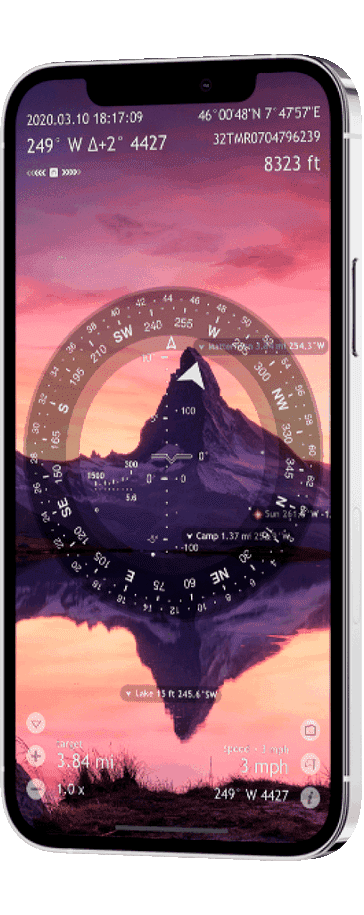
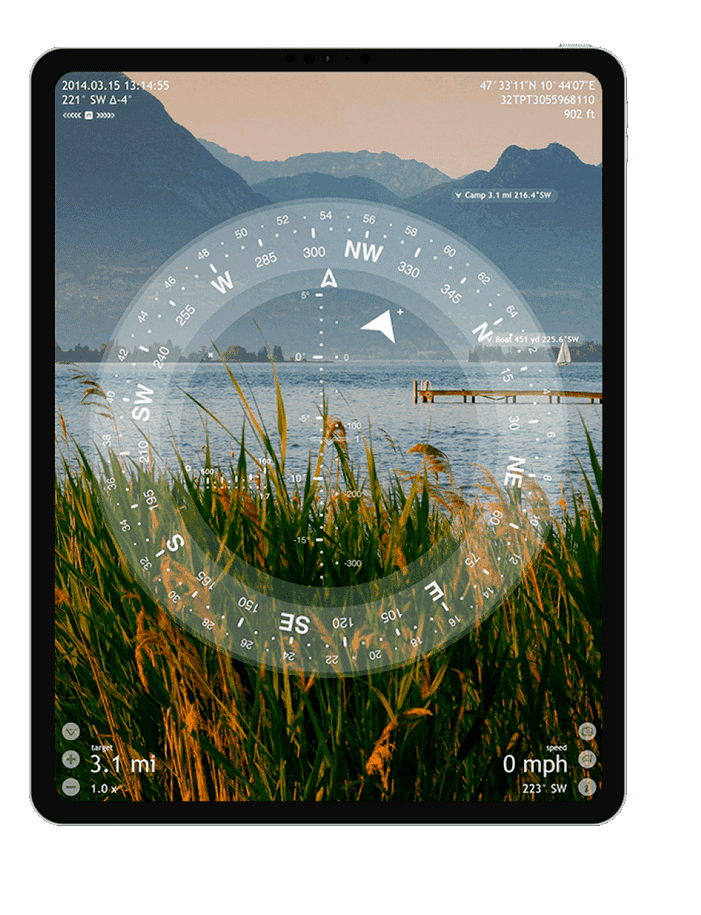
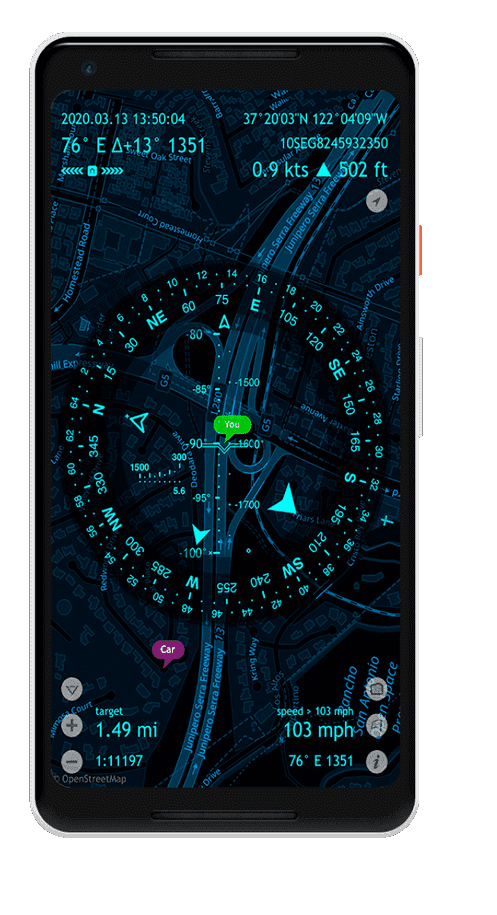
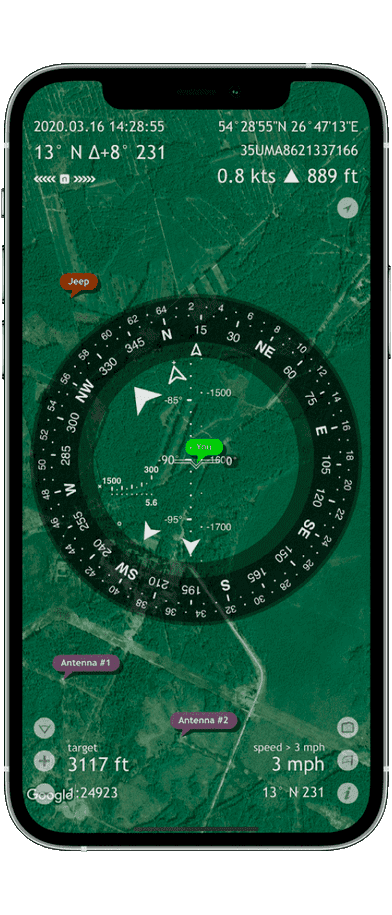
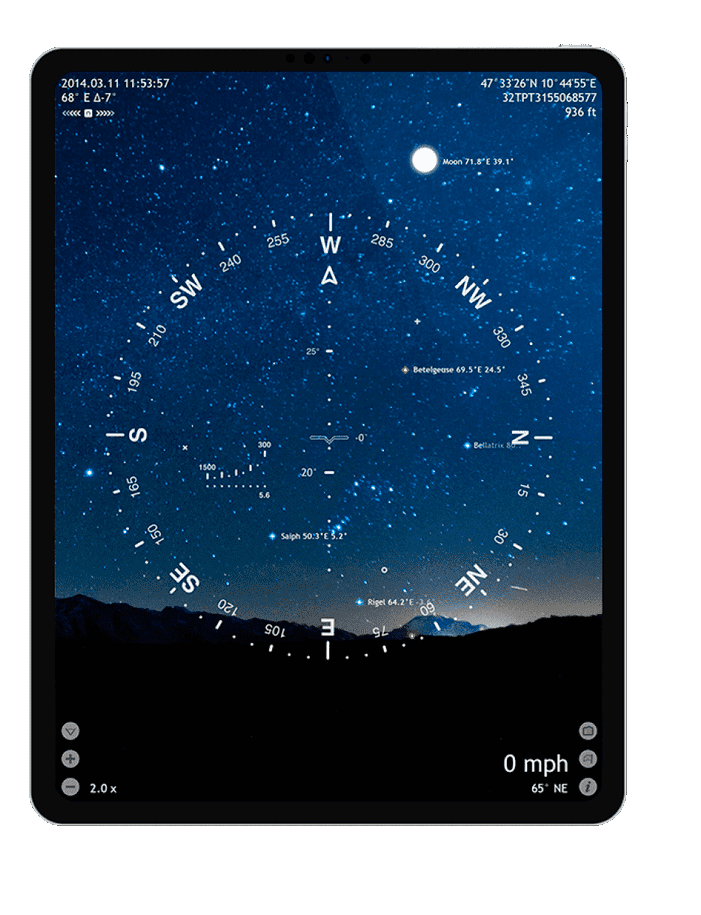
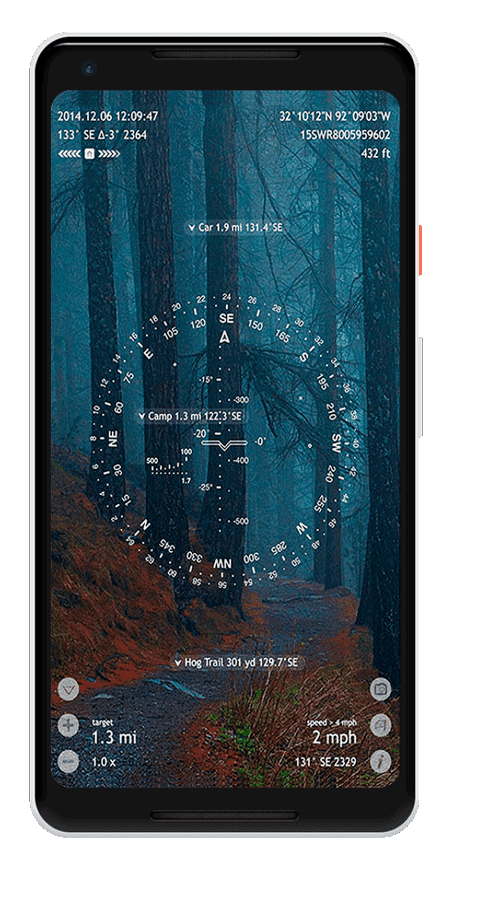
 Spyglass
 Commander
 Commander