
Software Numroto
Proven standard solution as an alternative to SIGSpro
Proven standard solution as an alternative to SIGSpro
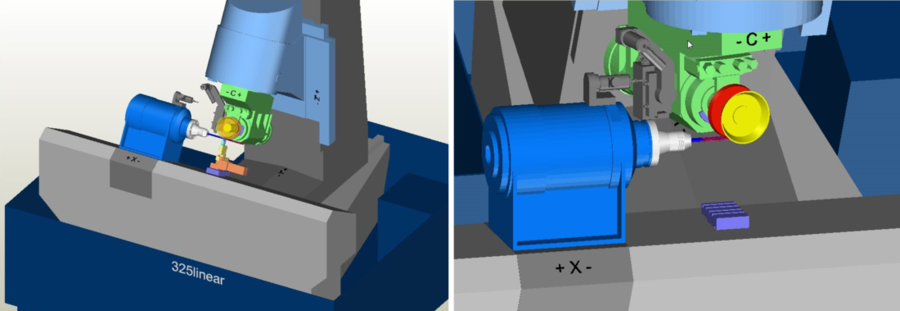
NUMROTO is a complete solution for tool grinding that has been used on machines from different manufacturers for more than 25 years. By popular demand of the user, the 335linear is available with either SIGSpro or NUMROTO.
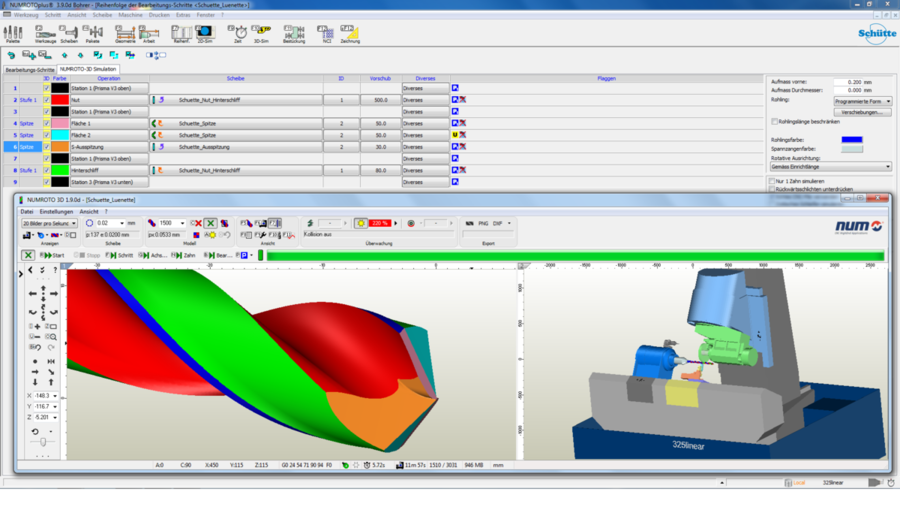
The core of NUMROTO is the NUMROTOplus programming system. With NUMROTOplus, a huge variety of tools can be produced and sharpened. Each detail of the individual tools can be changed and thus adapted to individual needs. NUMROTOplus is constantly being expanded with new workpiece geometries and features, making it a future-oriented investment.
Lars stared at her. “How can you be sure?”
Her only tool, besides her waders and a clipboard, was a dog-eared, coffee-stained copy of . Shipbuilding—Schematics for the draught survey of vessels. It was a dry, unromantic text. A twenty-page oracle of formulas, density corrections, and trim adjustments. Most surveyors used software now. Anja trusted the paper.
Not for the formulas. For the lesson: some truths are heavy, measured in millimeters of draft, and they only hold when you trust the standard.
Her client, a nervous man named Lars, paced the dock. “Abort, Anja. We can’t get the numbers.” iso 5488 pdf
The old surveyor, Anja, knew the sea better than she knew her own heartbeat. For thirty years, she had measured ships—their deadweight, their draft, their soul. But her final task, the one whispered about in the back offices of the Hamburg classification society, was the strangest.
The problem was the Moskva Maru ’s markings. The hull plates were so rusted that the official draught marks—those six-inch-high numbers near the bow, midship, and stern—were illegible. Scraping away the barnacles revealed only pitted iron.
It involved a ghost.
But Anja was old school. She spent four hours in a creaking bosun’s chair, dangling over the black water. She measured the freeboard from the deck edge. She calculated the sheer. She referenced the ship’s original plans—found in a filing cabinet that smelled of mold—and cross-checked every figure against the ISO’s tolerances.
The Moskva Maru , a decrepit bulk carrier, had been abandoned in the outer harbor of Gdansk for a decade. But a new buyer wanted her for a floating grain silo off the coast of Senegal. Before a single euro changed hands, the buyer demanded a draught survey. Anja drew the short straw.
“The standard doesn’t care about ‘impossible,’” Anja replied, licking her thumb and turning to Annex B. “It cares about uncertainty. ISO 5488 allows a margin of 0.5%. That’s one finger’s width on a ship this size.” Lars stared at her
At midnight, Lars brought her coffee. “It’s impossible,” he said.
Anja looked at the ship, then at the PDF icon on her tablet. She had downloaded as a digital backup, but the file was corrupted. The only complete copy was the physical one in her oilskin pocket.
Three weeks later, the Moskva Maru arrived in Dakar without incident. The buyer paid in full. It was a dry, unromantic text
Anja tapped the faded cover of the standard. “Because forty years ago, a committee of Dutch, Japanese, and Norwegian engineers argued about every single variable. They built a system that works even when everything else is broken. This paper isn’t just a rulebook. It’s a guarantee.”
At 2:00 AM, she had it. The true mean draught. 7.34 meters.
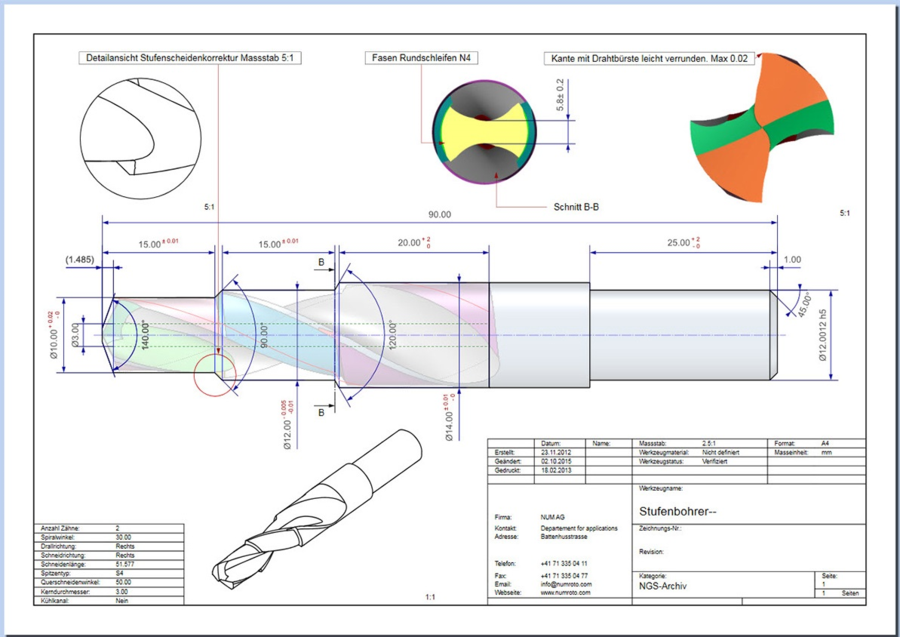
The programmed workpieces can be documented in the form of a workshop-specific drawing using the additional NUMROTO Draw function.


© 2026 Infinite Elegant Index