Demon 2: My
The concept of a sequel, especially to a story as emotionally charged as My Demon , carries both risk and reward. Where the original likely introduced a protagonist wrestling with a literal or metaphorical demon—be it addiction, trauma, guilt, or a supernatural entity— My Demon 2 has the opportunity to transcend mere horror or fantasy. Instead, it can evolve into a profound meditation on memory, identity, and the exhausting work of maintaining peace after a war within oneself. 1. The Shift from Confrontation to Integration The first installment typically ends with a victory: the demon is defeated, banished, or controlled. However, My Demon 2 wisely rejects the idea of a permanent cure. The essay’s central thesis is that the demon never truly leaves; it only changes form . In the sequel, the protagonist no longer fights a visible enemy but instead struggles with the aftermath—flashbacks, phantom sensations, intrusive thoughts, or the temptation to invite the demon back for the sake of feeling powerful again.
In one powerful scene, the protagonist might realize that destroying the demon would also erase their most honest memories—the moments they learned courage, loss, or love. My Demon 2 thus poses the philosophical question: If you erase your darkness, do you also erase your growth? This transforms the sequel from a battle into a negotiation. The introduction of a second protagonist—perhaps a younger sibling, a student, or a stranger who unknowingly carries the same demon’s offspring—forces the original hero into a mentor role. But because their own recovery is incomplete, the mentorship becomes messy. The essay highlights how this dynamic creates useful tension: the hero wants to teach control but secretly envies the new host’s raw power. Alternatively, the new character may reject the hero’s methods, insisting on a different path—one that does not banish the demon but learns to sing with it. My Demon 2
This essay is useful for anyone analyzing sequel storytelling, writing their own My Demon 2 , or exploring how horror/fantasy can address real psychological themes. The key lesson: the most compelling demons are not the ones we kill, but the ones we learn to name and negotiate with. The concept of a sequel, especially to a
In the final shot, the protagonist looks into a mirror. For a moment, the demon’s eyes flicker behind their own—then vanish. The protagonist smiles, not because the demon is gone, but because they are no longer afraid of what might look back. | Theme | Application in My Demon 2 | |-------|-----------------------------| | Memory | The demon preserves painful but identity-forming memories. | | Relapse | Recovery includes setbacks; the sequel normalizes this. | | Mentorship | Helping another host forces the hero to confront their own unfinished business. | | Symbolism | Recurring objects (music box, black tree) show that healing is not erasure. | | Ambiguous ending | The demon remains, but the protagonist’s relationship to it changes. | The essay’s central thesis is that the demon
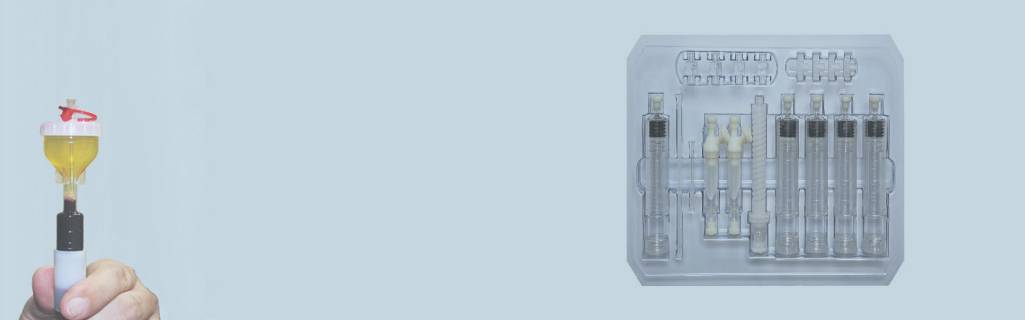




 ÓÄÀ×ÍÛÅ ÊÅÉÑÛ ÏÐÈÌÅÍÅÍÈß ÌÅÒÎÄÈÊÈ PRP  ÊËÈÍÈÊÀÕ
 Ïàâåë Æàäàí
 Àëåêñàíäð Âàéíòðóá
 Äìèòðèé Âîëîáóåâ