
Arch Pro is a precision-tuned LOG to REC709 LUT system built specifically for the Pocket Cinema Camera 4K, 6K, and 6K Pro. The base set includes a Natural LUT along with Filmic and Vibrant character LUTs—each one uniquely matched to your camera’s sensor and LOG profile. This isn’t one-size-fits-all, it’s one-for-each, engineered for color that just works.
Want more? The Plus and Premium Bundles unlock stylized Film Looks and DaVinci Wide Gamut support for Resolve users.




Whether you’re a filmmaker, YouTuber, or weekend warrior, if you're working with Pocket 4K, 6K, or 6K Pro footage, this is the fastest way to make it shine. Arch Pro enhances highlight rolloff, improves skin tone, and just looks good.
Import Arch Pro LUTs right into your Pocket Cinema Camera to preview the colors live — great for livestreams, fast turnarounds, or video village. Burn it in if you want. Shoot LOG and tweak later if you don’t.


Create a cohesive cinematic look without obsessing over complex node trees. Whether you’re cutting a music video or a doc on a deadline, these LUTs hold their own — and still play nice with secondary grading and effects.


Arch Pro Plus adds 12 pre-built Film Looks that range from elegant monochromes to punchy stylization. Everything from a Black & White so classy it’d make Fred Astaire jump for joy to a Teal & Orange that could coax a single tear down Michael Bay’s cheek.


Arch Pro Premium unlocks a secret weapon: DaVinci Wide Gamut support. No Rec709 bakes. No locked-in looks. Just a clean, accurate conversion into DaVinci’s modern color space — built for real post workflows and future-proof grades.


All of these examples were shot in BRAW with Gen 5 color science. On the left: Blackmagic’s built-in Extended Video LUT. On the right: Arch Pro Natural.
This isn't showing a LOG-to-Rec709 miracle like most do, this is comparing what you’d actually get side-by-side. The difference between good enough
and being there.
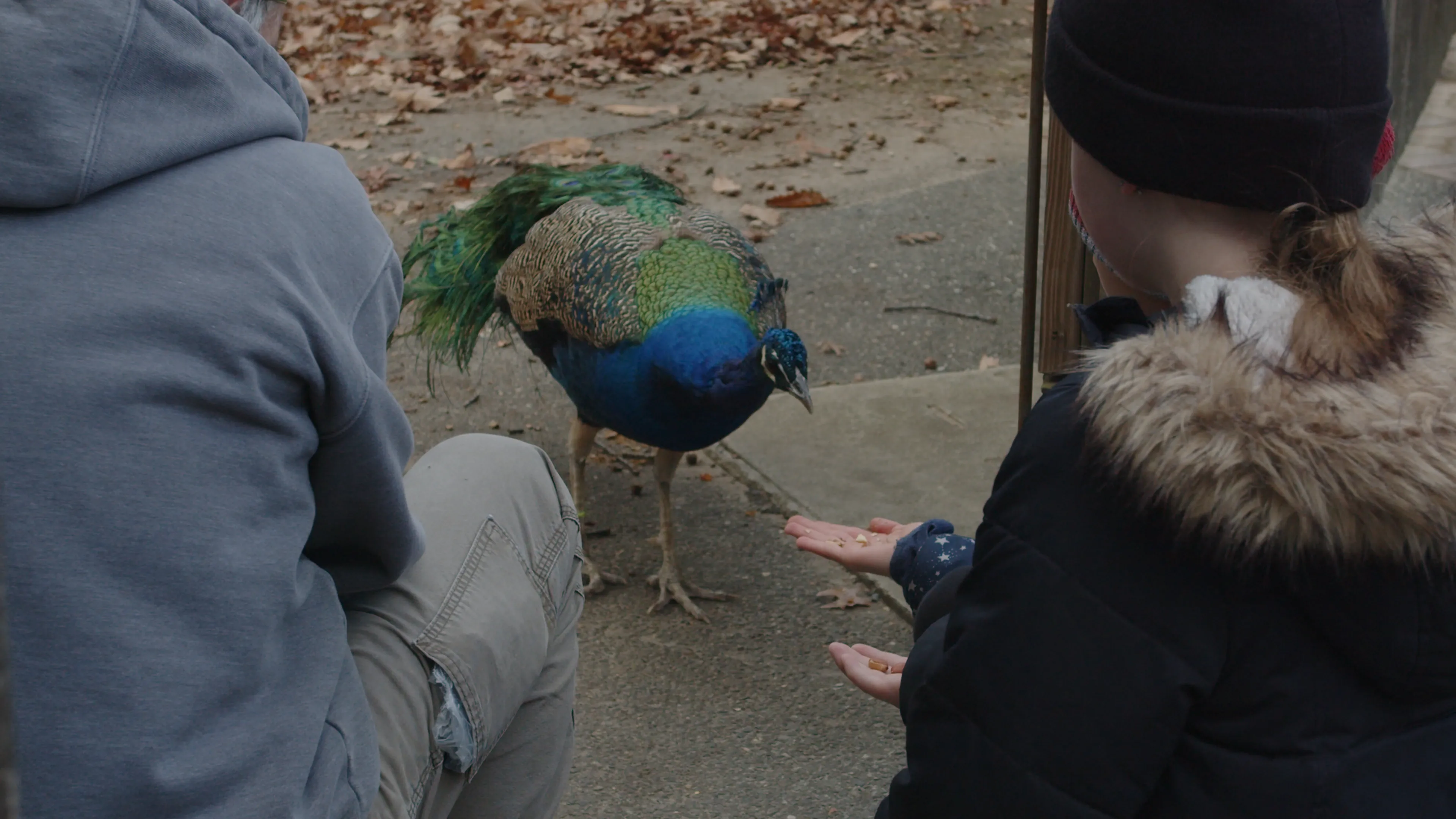
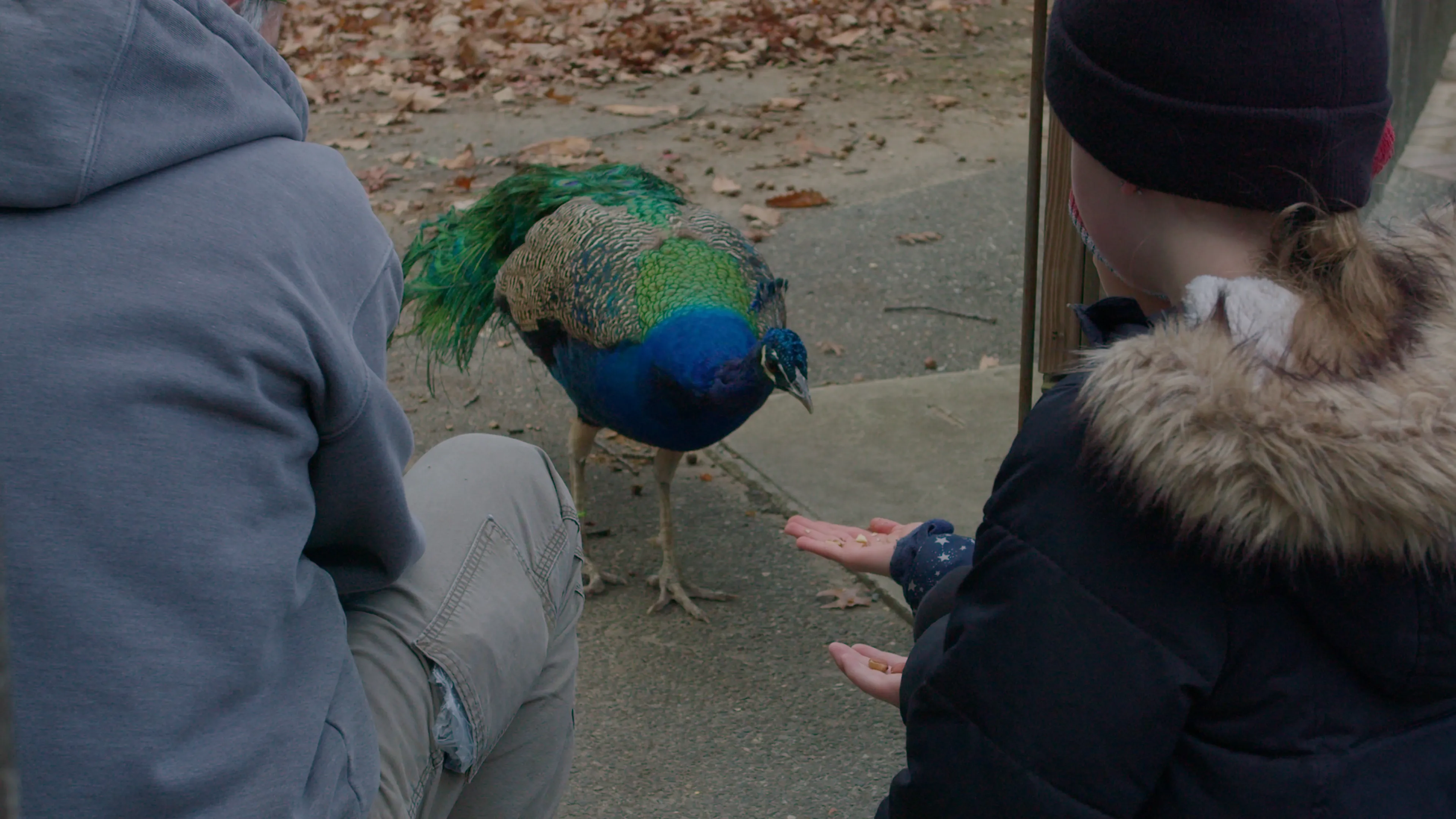






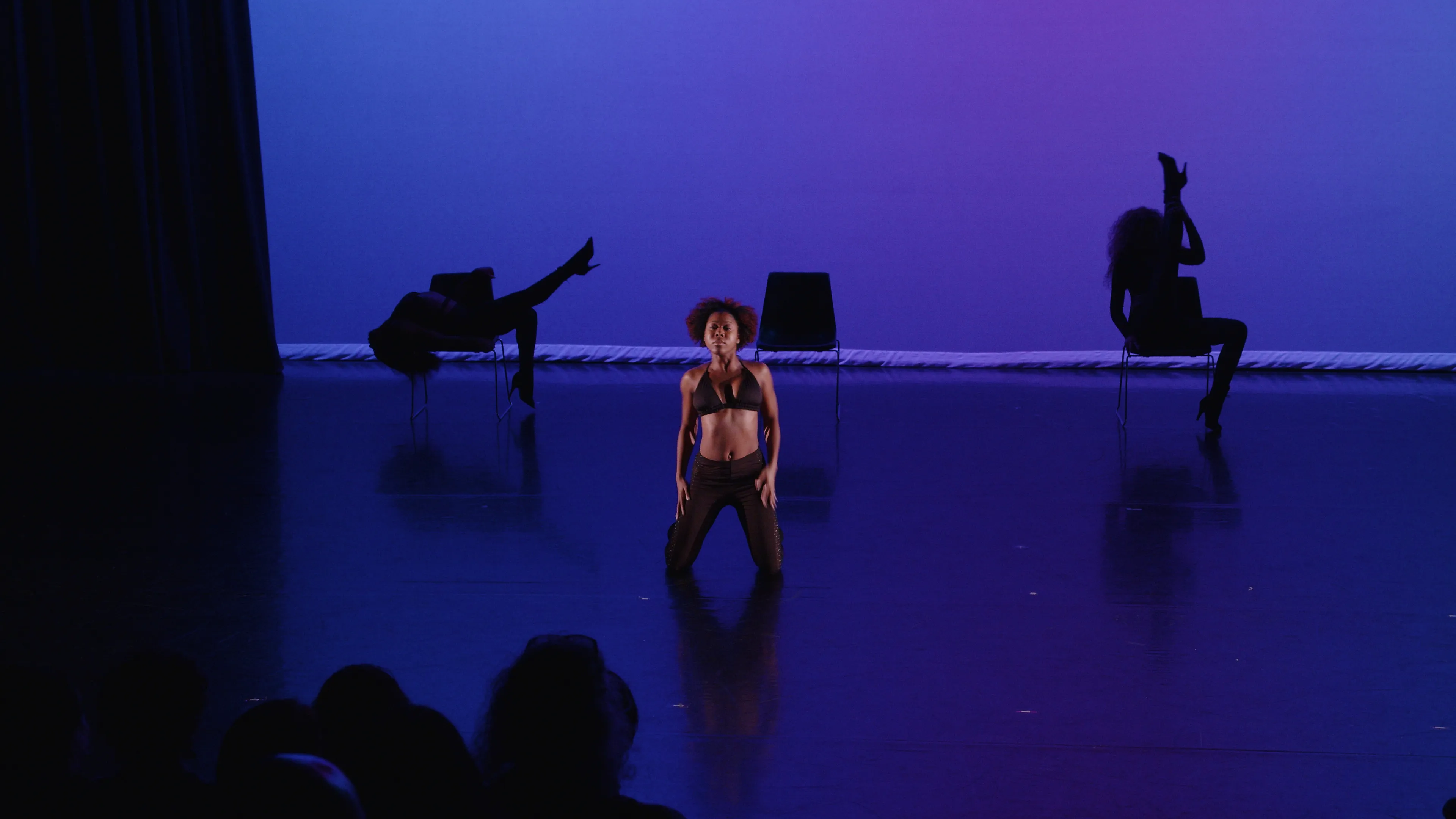
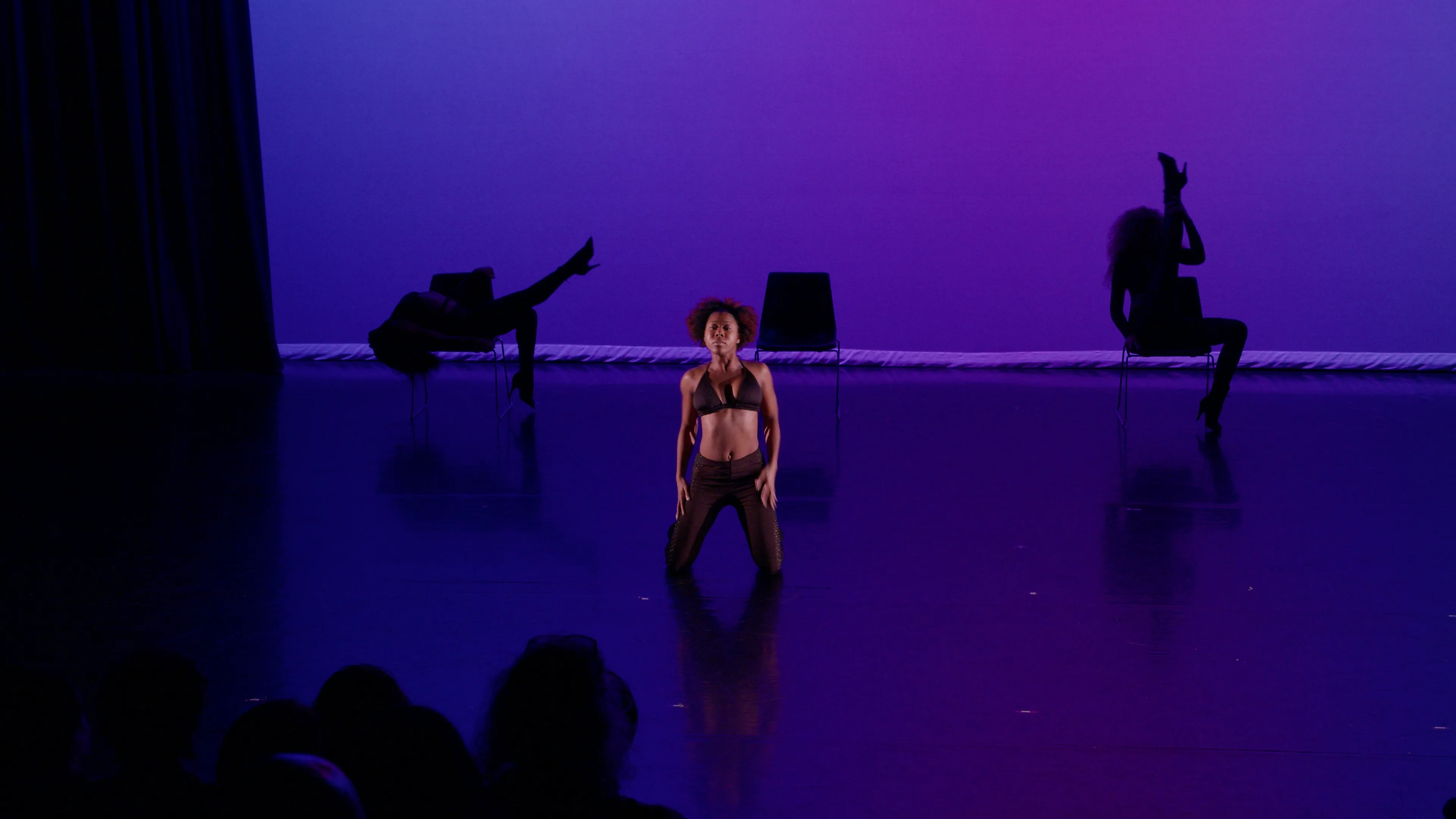


















Arch Pro Plus gives you 12 distinct looks for your footage. Arch Pro Premium gives you the same looks with full DaVinci Wide Gamut support!












Use this nifty chart to help you decide which flavor of Arch Pro is right for you.
Not sure? Start with Plus — it’s what ~70% of customers choose!
These are just a handful of teams that rely on Arch Pro for their productions.






The top priority of this LUT is to make skin tones—of all shades—look remarkable.

Between shooting midday weddings & music festivals, I've mastered the art of the highlight roll off!

I always find myself tinting towards magenta in-camera, so I set out to fix the green channel!

Gives you a very robust starting point that holds up to heavy grading and effects.

Yanno how the Extended Video LUT just kinda looks like mud? Well, kiss that look goodbye!

Compatible with any application that supports LUTs on Windows, Mac, and iOS.

As new LUTs are developed for the set or Blackmagic Color Science evolves, you'll get updates for free!
If you actually have a specific reference for “Nina Rotti” (e.g., a film still, a country of origin, an approximate decade), please provide it. The essay above is a philosophical exploration based on the absence of data. Should real data emerge, the search would shift from poetry to bibliography—and that would be a different, though no less fascinating, essay.
However, after extensive searching across film databases (IMDb, Letterboxd, Wikipedia), academic journals, and general web sources, exists in mainstream or independent cinema. The phrase as written seems to be either a typographical error, a misremembered name, or a query fragment from a streaming platform’s search bar (e.g., “Searching for [Name] in All Categories – Movies…”). Searching for- Nina Rotti in-All CategoriesMovi...
Given that, I will provide a based on the concept implied by your query: the act of searching for an obscure or nonexistent figure within the vast archives of film, and what that search reveals about memory, media fragmentation, and the desire for hidden narratives. Searching for Nina Rotti: The Ghost in the Database An Essay on Cinematic Absence and the Myth of the Lost Film In the age of total archives—where everything seems digitized, indexed, and searchable—the failure to find a name can feel like a small madness. To type “Nina Rotti” into the global search bar of film history and receive zero results is to encounter a void. But voids are not empty. They are charged spaces, waiting for projection. The search for Nina Rotti, a figure who may never have existed, becomes less about retrieval and more about the poetics of absence. It is a modern ghost story, not told in an abandoned theater, but in the cold white space of a search results page. I. The Name as Fragment “Nina Rotti” has a specific sonic weight. “Nina” suggests intimacy—Nina Simone, Nina Hagen, the tragic heroine of Chekhov’s The Seagull . “Rotti,” on the other hand, is guttural, almost industrial; it recalls roti (bread) or rottweiler, or perhaps a corrupted Italian surname (Rotti as a variant of Rotti, meaning “broken”). Together, the name sounds like a character from a Euro-horror film of the 1970s: a forgotten giallo actress, a doomed lover in a Fassbinder melodrama, or a nightclub singer in a neo-noir that never got distribution. The absence of a real referent turns the name into a Rorschach test for the searcher’s own cinematic desires. II. The All-Categories Condition The directive “in All Categories” is crucial. It signals a refusal to accept generic boundaries. Nina Rotti is not just a lead actress (People), nor a director (Crew), nor a title (Movies). She could be a credit in “TV Specials,” a keyword in “Short Films,” a listed extra in “Documentaries,” or a forgotten entry in “Made-for-TV Movies.” By searching across all categories, the seeker implicitly argues that marginalia matter. This is the logic of the archivist and the obsessive: the truth is not in the starring role but in the tenth page of credits, the misspelled IMDb entry, the production still captioned incorrectly. III. The Horror of Zero Results In the physical world, searching for a person involves talking to people, visiting places, finding absence as a tactile reality. In the digital realm, absence is algorithmic: “No results found.” This message is more frightening than a horror film’s jump scare because it suggests not just that Nina Rotti is missing, but that she never was. The search engine’s neutrality becomes an epistemological guillotine. Yet, film scholars know that archives are never complete. Thousands of silent-era films are lost forever. Actors changed names. Production assistants never got credited. A “Nina Rotti” could have existed entirely in a single 16mm print that burned in a warehouse fire in 1983. The search result does not prove non-existence; it only proves non-digitization. IV. The Searcher as Creator At a certain point, the search for Nina Rotti becomes a creative act. The mind begins to fill in the gaps. Perhaps she was an Italian exploitation actress in four films, all of which are now lost. Perhaps she was a pseudonym for a better-known actor in a pornographic film that she later disowned. Perhaps “Nina Rotti” is a corruption of “Nina Rote” (German for “red”), a communist documentarian blacklisted in the 1950s. The search transforms the user from a passive consumer of databases into an active mythmaker. In this sense, the failed search is more generative than a successful one. To find what you are looking for is closure; to not find it is the beginning of a story. V. Conclusion: The Necessity of Ghosts We search for Nina Rotti because we need to believe in the unseen. In an era where algorithms predict our tastes and streaming services recommend the same five films, the possibility of a completely unknown figure—someone not even listed in the archive—is a form of resistance. Nina Rotti is the patron saint of lost intertitles, of uncredited stuntwomen, of actresses who did one film in 1972 and vanished. To search for her across all categories is to affirm that film history is not a closed book but a palimpsest. She may never be found. But the search itself is a small act of devotion to everything cinema has forgotten. If you actually have a specific reference for
If you actually have a specific reference for “Nina Rotti” (e.g., a film still, a country of origin, an approximate decade), please provide it. The essay above is a philosophical exploration based on the absence of data. Should real data emerge, the search would shift from poetry to bibliography—and that would be a different, though no less fascinating, essay.
However, after extensive searching across film databases (IMDb, Letterboxd, Wikipedia), academic journals, and general web sources, exists in mainstream or independent cinema. The phrase as written seems to be either a typographical error, a misremembered name, or a query fragment from a streaming platform’s search bar (e.g., “Searching for [Name] in All Categories – Movies…”).
Given that, I will provide a based on the concept implied by your query: the act of searching for an obscure or nonexistent figure within the vast archives of film, and what that search reveals about memory, media fragmentation, and the desire for hidden narratives. Searching for Nina Rotti: The Ghost in the Database An Essay on Cinematic Absence and the Myth of the Lost Film In the age of total archives—where everything seems digitized, indexed, and searchable—the failure to find a name can feel like a small madness. To type “Nina Rotti” into the global search bar of film history and receive zero results is to encounter a void. But voids are not empty. They are charged spaces, waiting for projection. The search for Nina Rotti, a figure who may never have existed, becomes less about retrieval and more about the poetics of absence. It is a modern ghost story, not told in an abandoned theater, but in the cold white space of a search results page. I. The Name as Fragment “Nina Rotti” has a specific sonic weight. “Nina” suggests intimacy—Nina Simone, Nina Hagen, the tragic heroine of Chekhov’s The Seagull . “Rotti,” on the other hand, is guttural, almost industrial; it recalls roti (bread) or rottweiler, or perhaps a corrupted Italian surname (Rotti as a variant of Rotti, meaning “broken”). Together, the name sounds like a character from a Euro-horror film of the 1970s: a forgotten giallo actress, a doomed lover in a Fassbinder melodrama, or a nightclub singer in a neo-noir that never got distribution. The absence of a real referent turns the name into a Rorschach test for the searcher’s own cinematic desires. II. The All-Categories Condition The directive “in All Categories” is crucial. It signals a refusal to accept generic boundaries. Nina Rotti is not just a lead actress (People), nor a director (Crew), nor a title (Movies). She could be a credit in “TV Specials,” a keyword in “Short Films,” a listed extra in “Documentaries,” or a forgotten entry in “Made-for-TV Movies.” By searching across all categories, the seeker implicitly argues that marginalia matter. This is the logic of the archivist and the obsessive: the truth is not in the starring role but in the tenth page of credits, the misspelled IMDb entry, the production still captioned incorrectly. III. The Horror of Zero Results In the physical world, searching for a person involves talking to people, visiting places, finding absence as a tactile reality. In the digital realm, absence is algorithmic: “No results found.” This message is more frightening than a horror film’s jump scare because it suggests not just that Nina Rotti is missing, but that she never was. The search engine’s neutrality becomes an epistemological guillotine. Yet, film scholars know that archives are never complete. Thousands of silent-era films are lost forever. Actors changed names. Production assistants never got credited. A “Nina Rotti” could have existed entirely in a single 16mm print that burned in a warehouse fire in 1983. The search result does not prove non-existence; it only proves non-digitization. IV. The Searcher as Creator At a certain point, the search for Nina Rotti becomes a creative act. The mind begins to fill in the gaps. Perhaps she was an Italian exploitation actress in four films, all of which are now lost. Perhaps she was a pseudonym for a better-known actor in a pornographic film that she later disowned. Perhaps “Nina Rotti” is a corruption of “Nina Rote” (German for “red”), a communist documentarian blacklisted in the 1950s. The search transforms the user from a passive consumer of databases into an active mythmaker. In this sense, the failed search is more generative than a successful one. To find what you are looking for is closure; to not find it is the beginning of a story. V. Conclusion: The Necessity of Ghosts We search for Nina Rotti because we need to believe in the unseen. In an era where algorithms predict our tastes and streaming services recommend the same five films, the possibility of a completely unknown figure—someone not even listed in the archive—is a form of resistance. Nina Rotti is the patron saint of lost intertitles, of uncredited stuntwomen, of actresses who did one film in 1972 and vanished. To search for her across all categories is to affirm that film history is not a closed book but a palimpsest. She may never be found. But the search itself is a small act of devotion to everything cinema has forgotten.