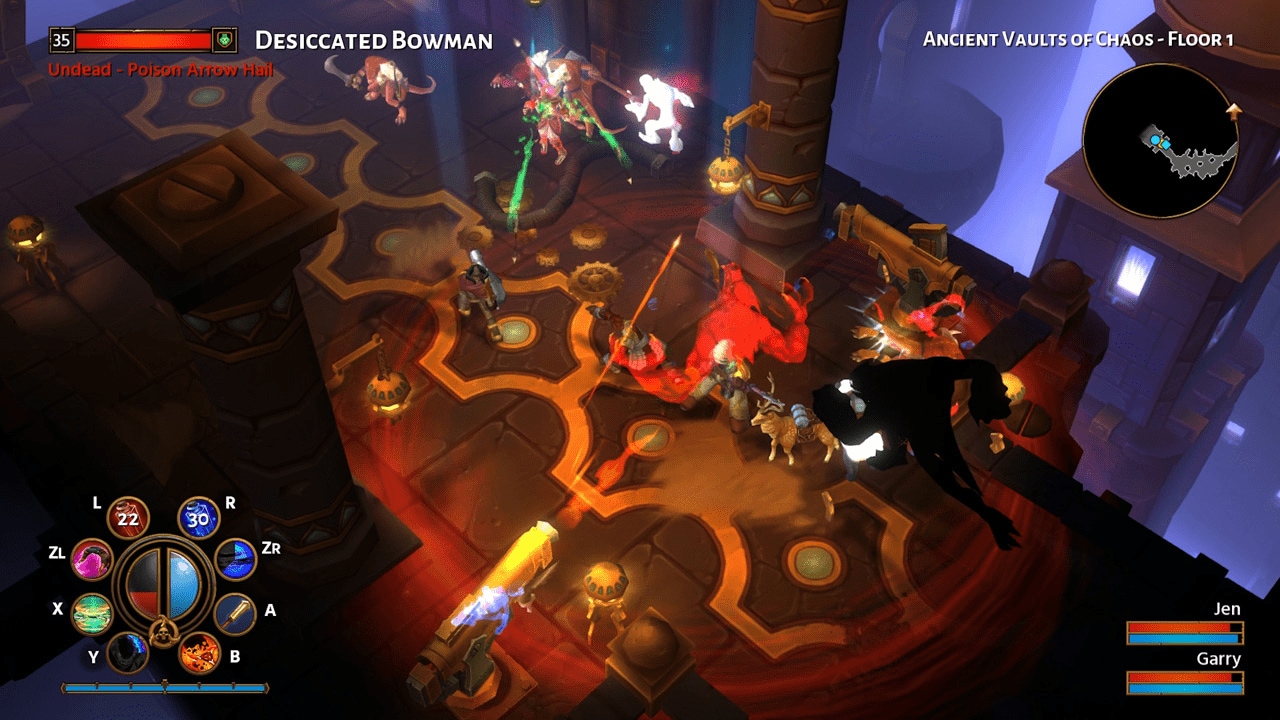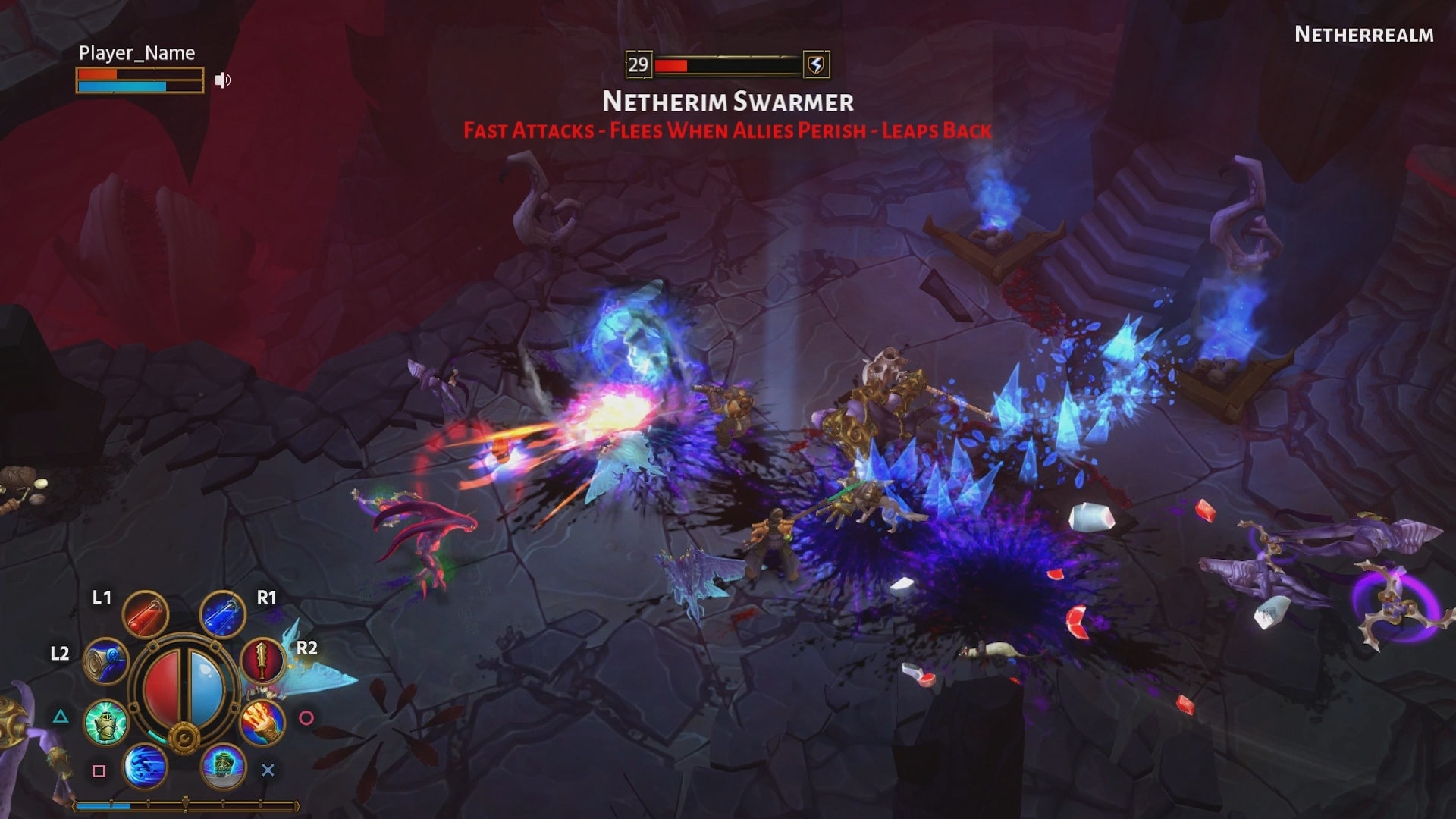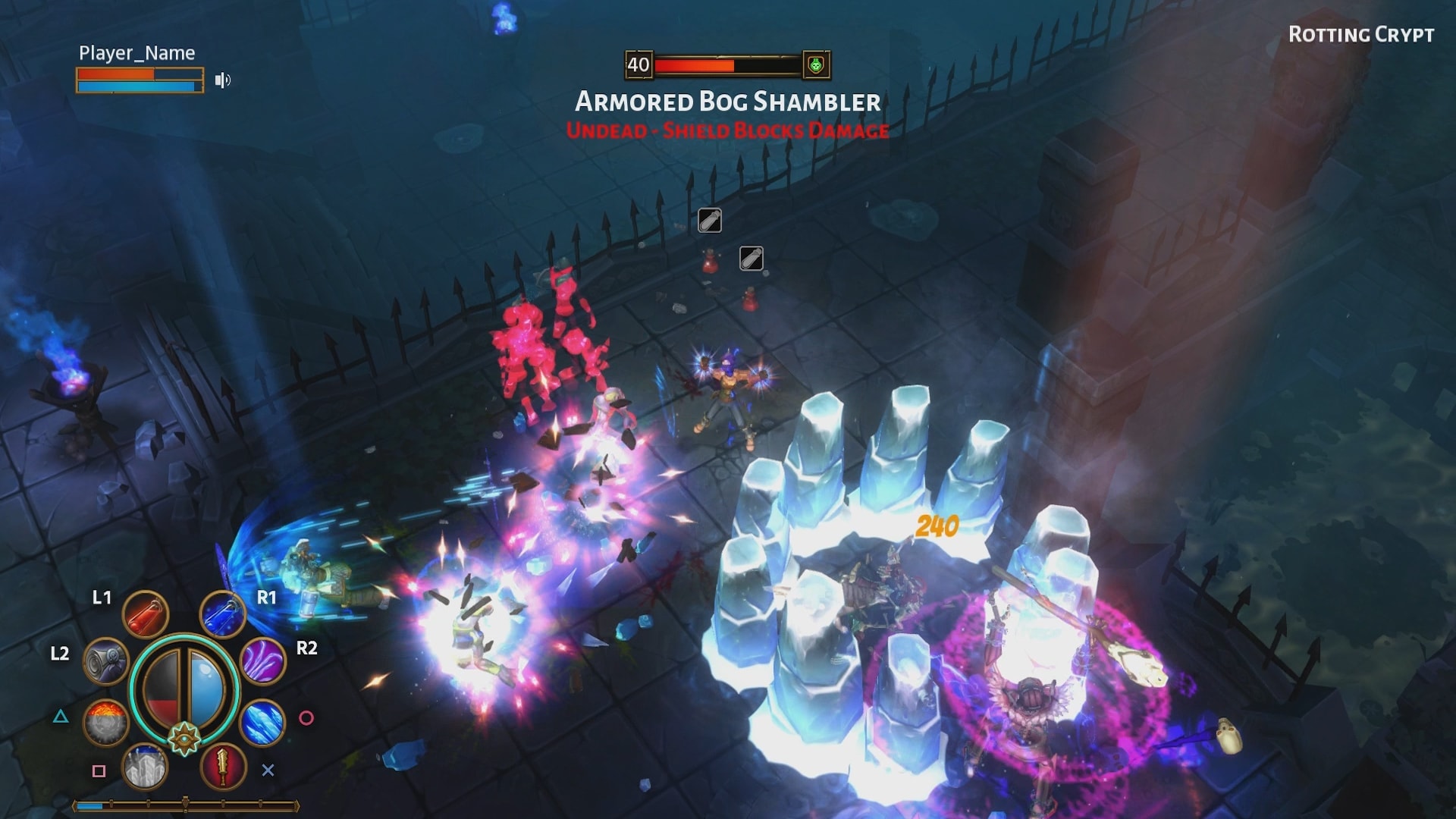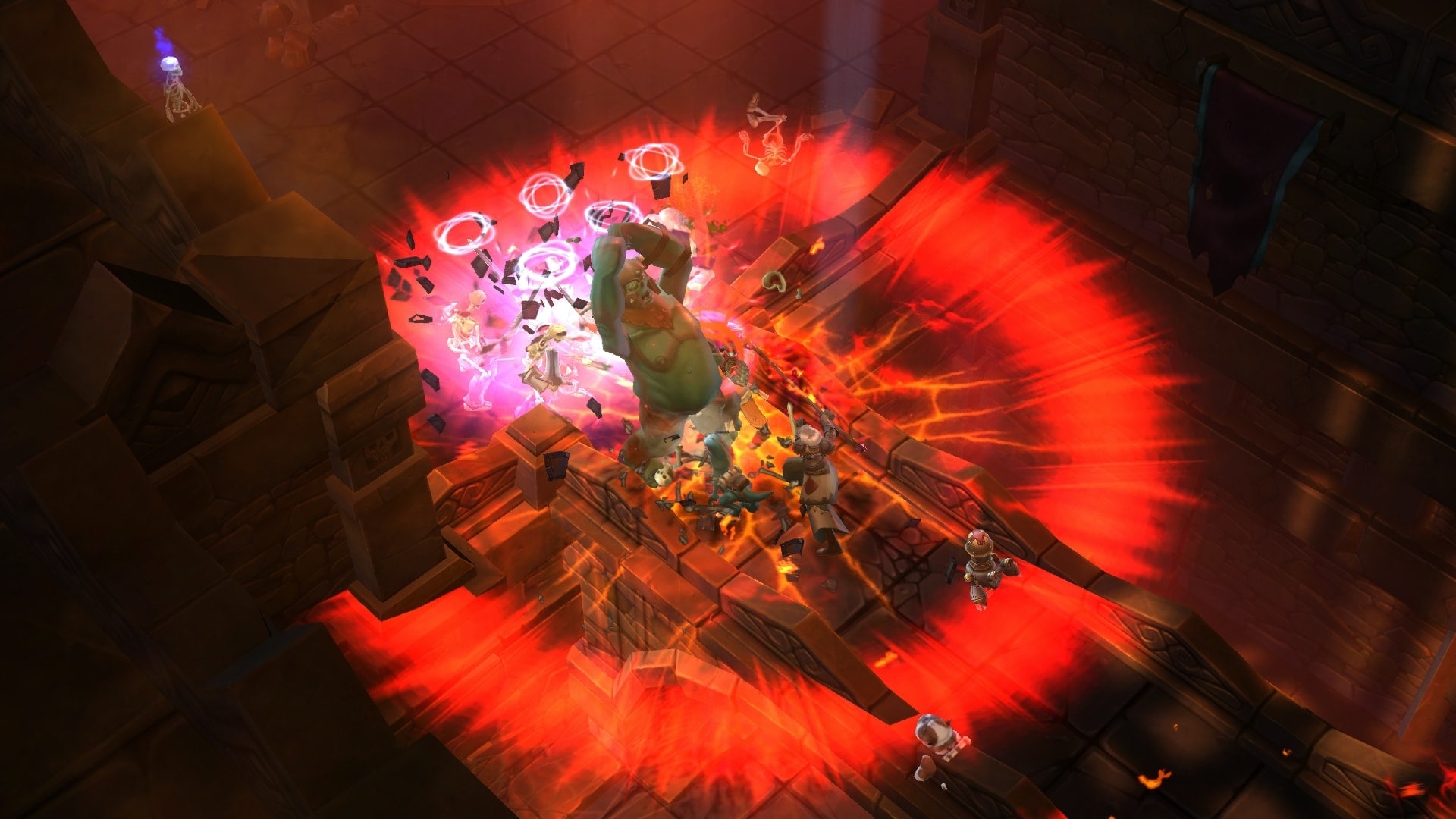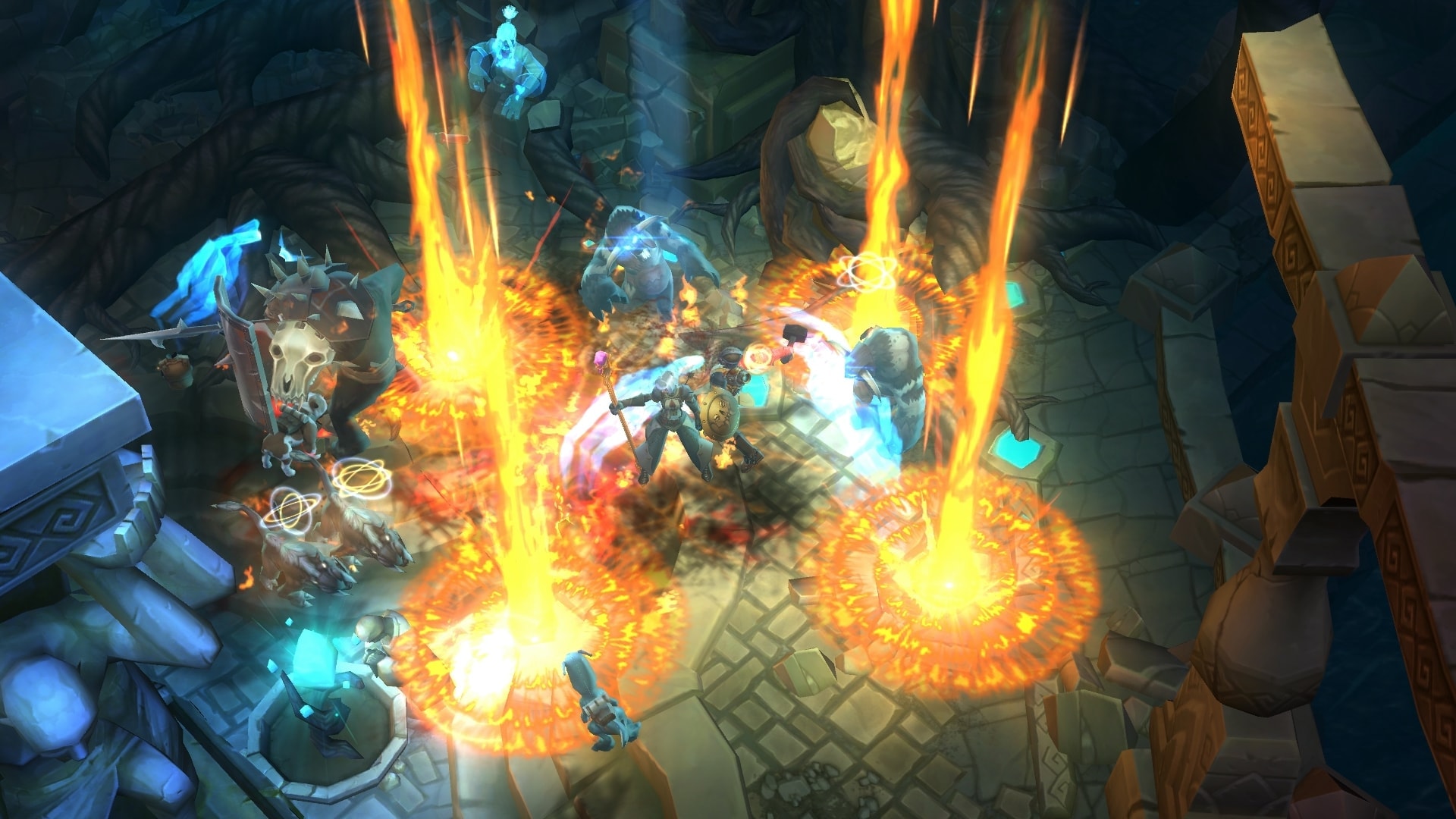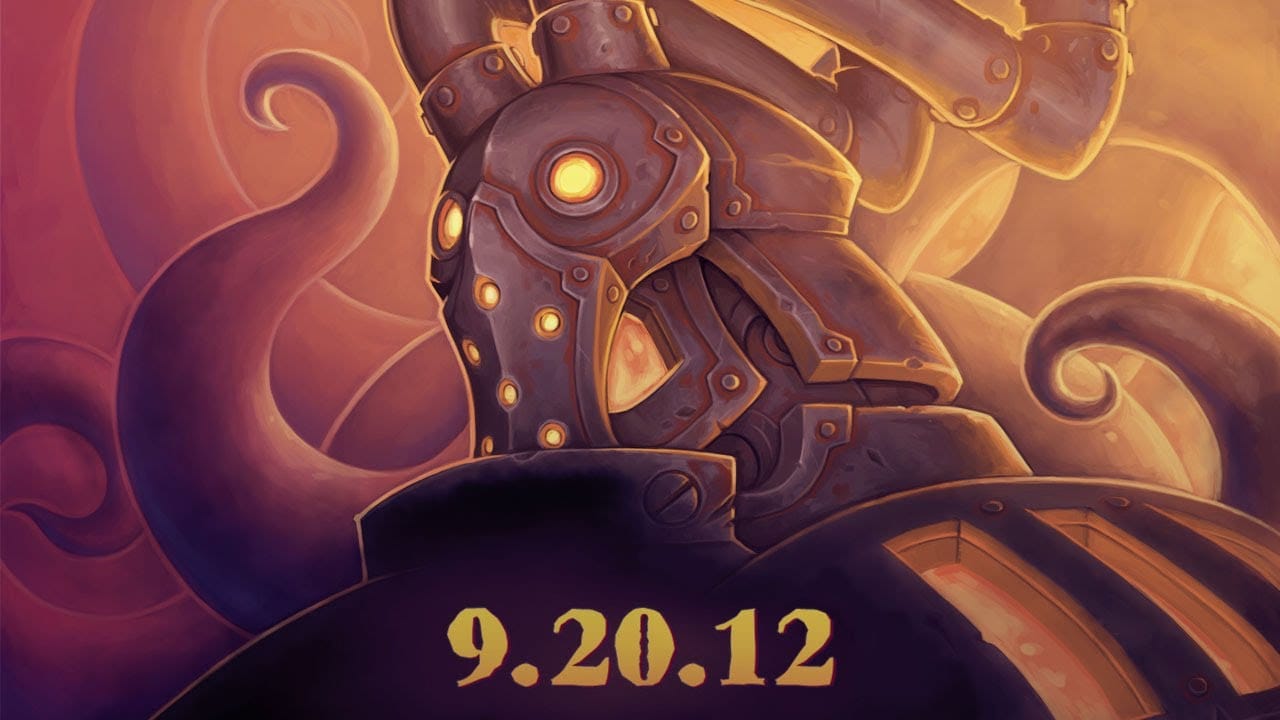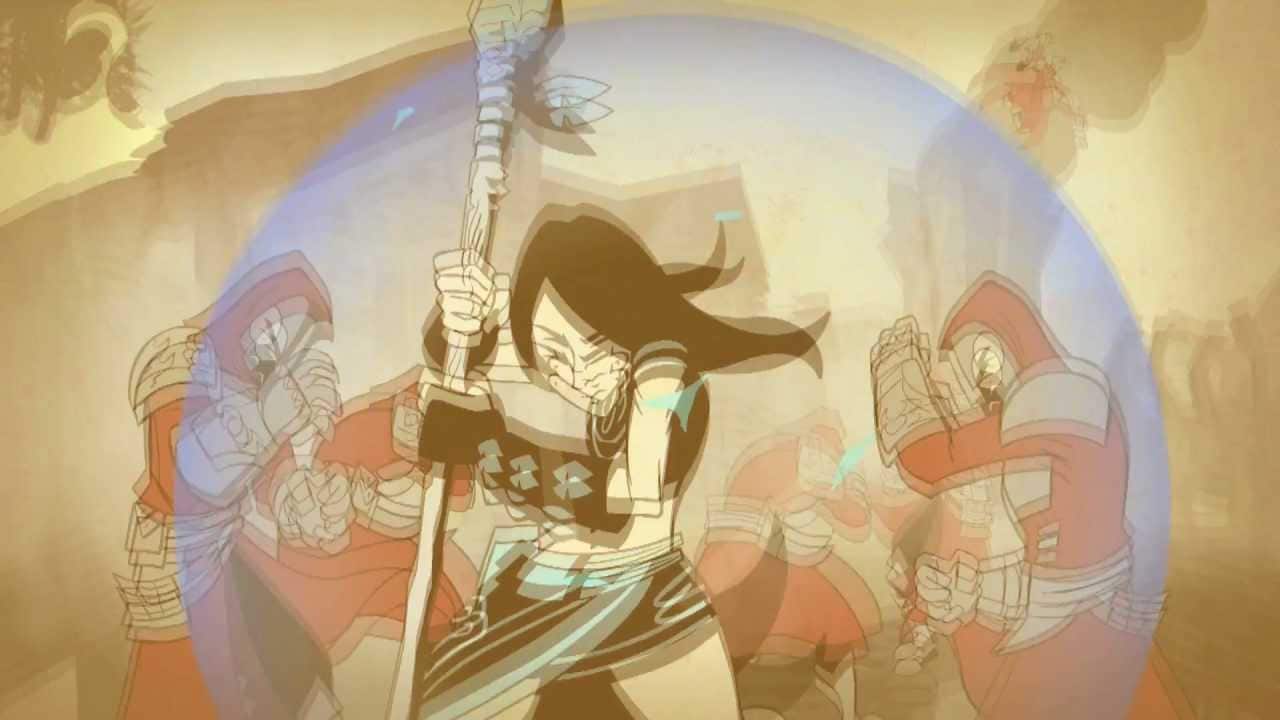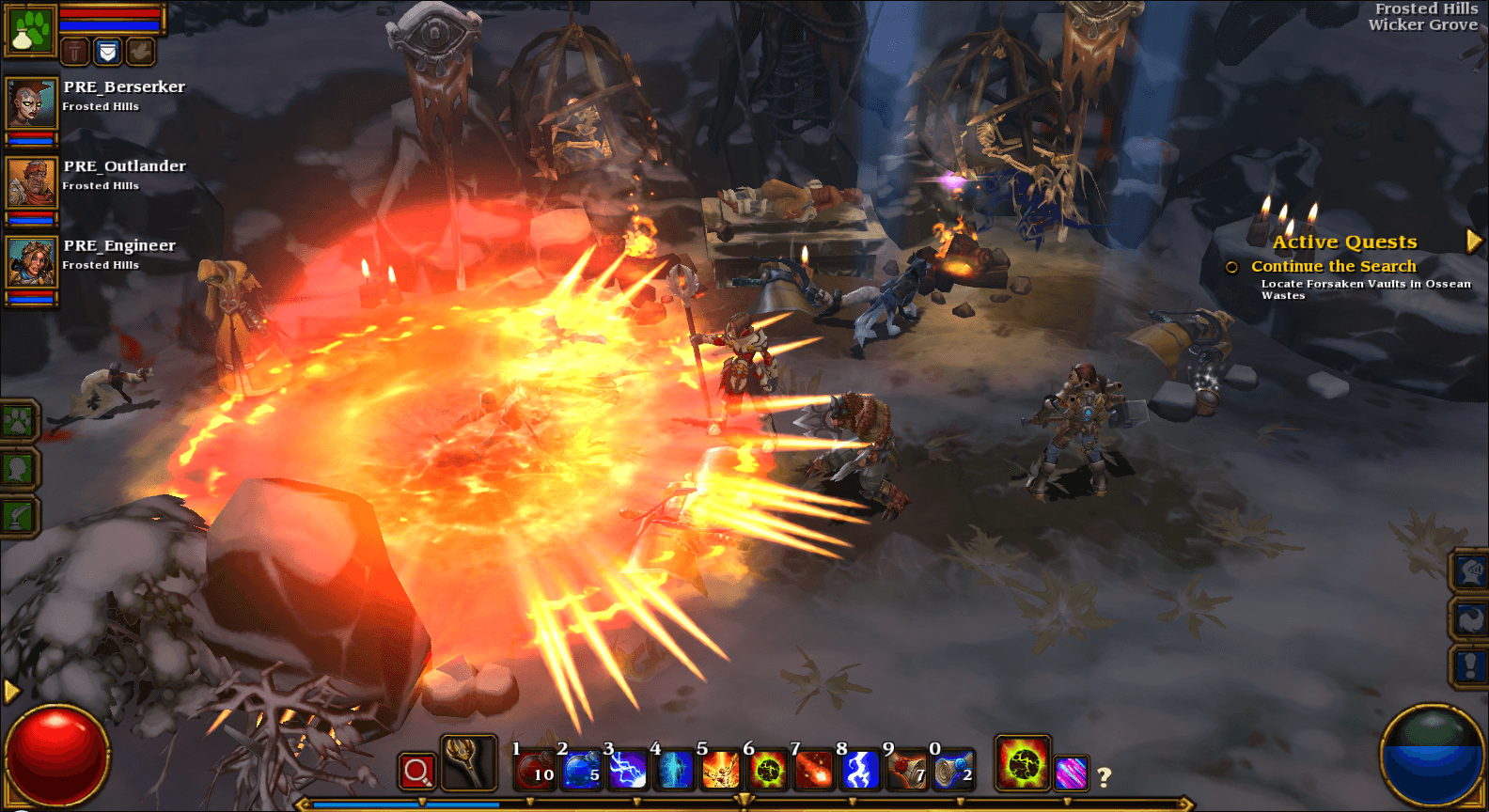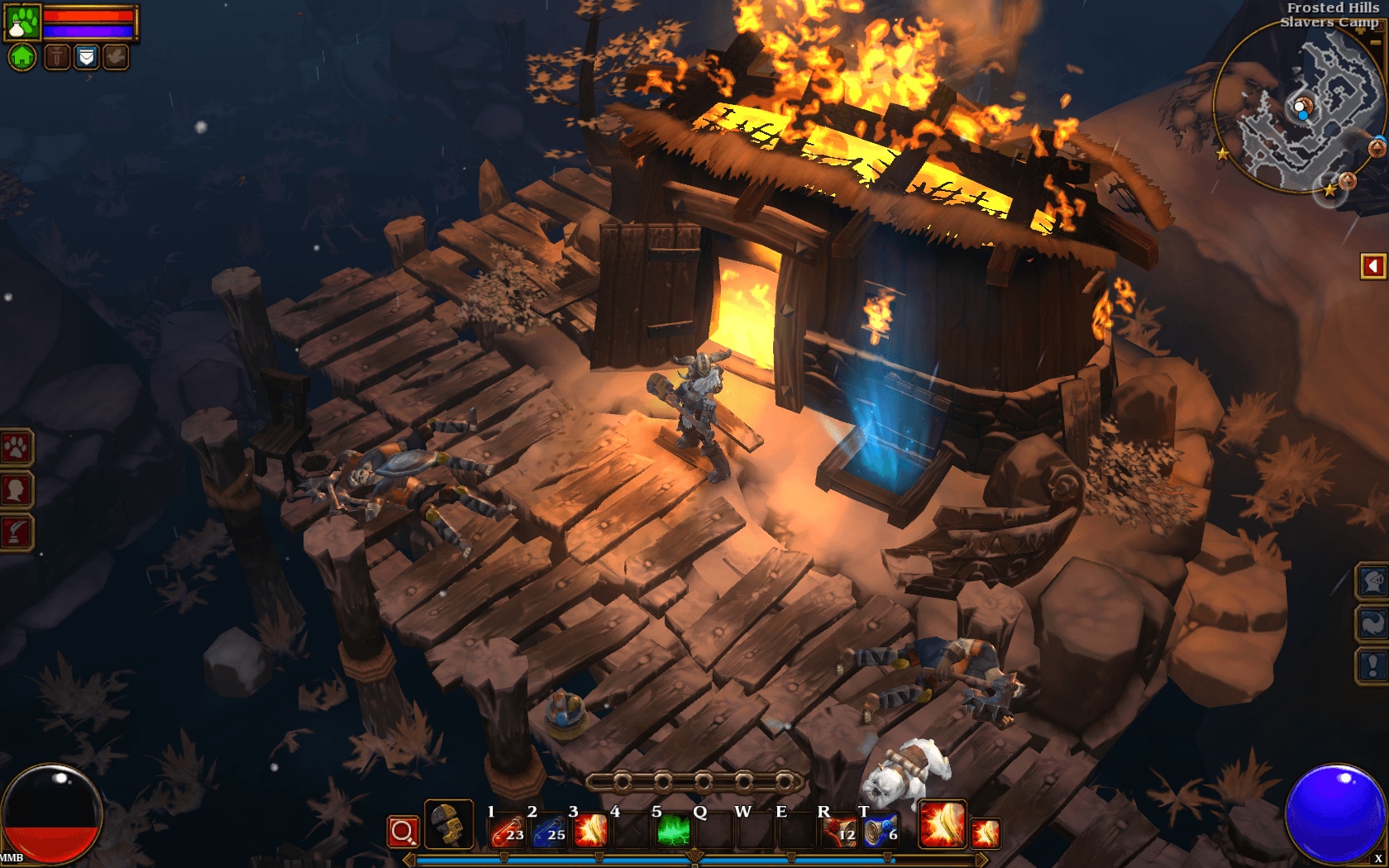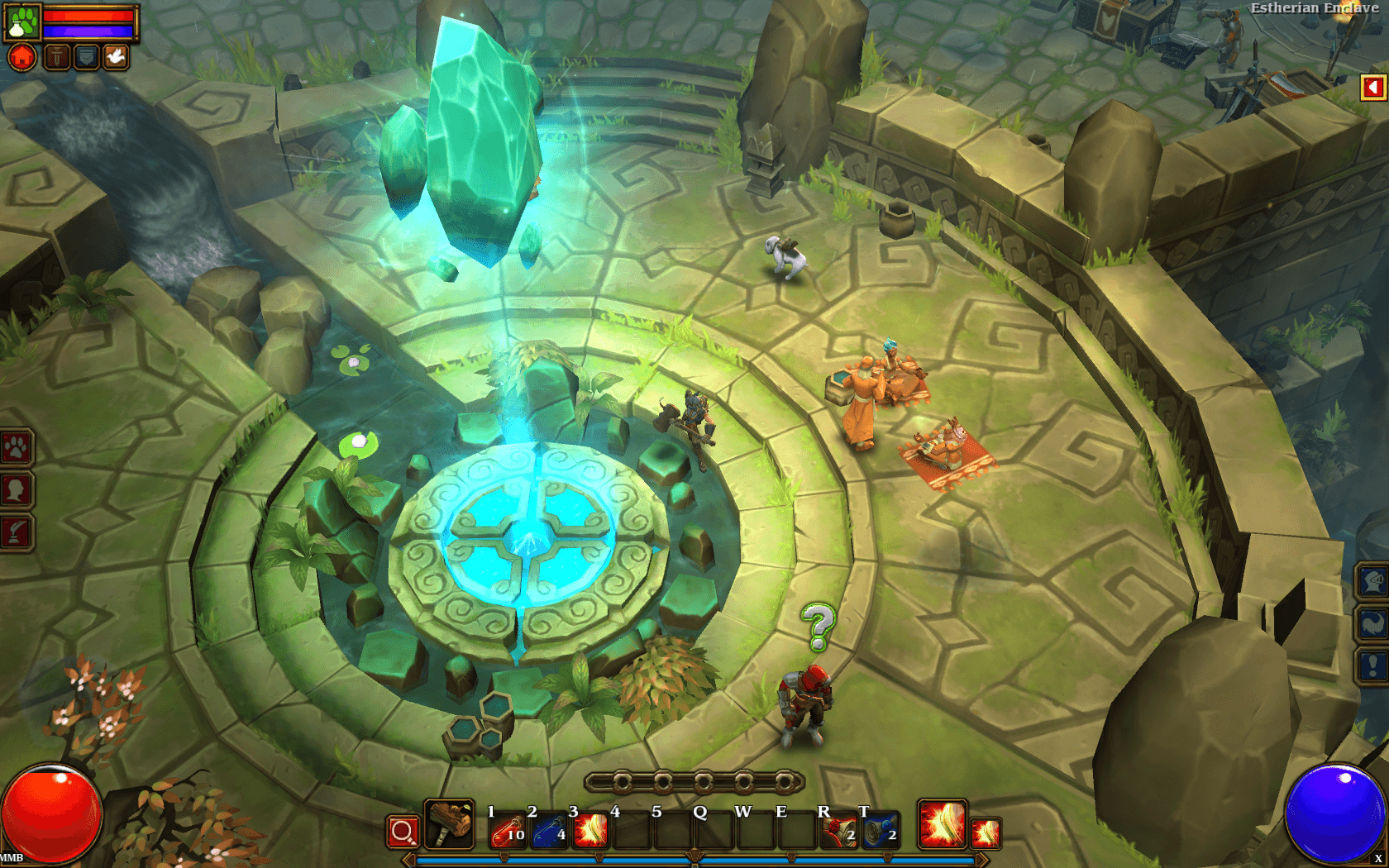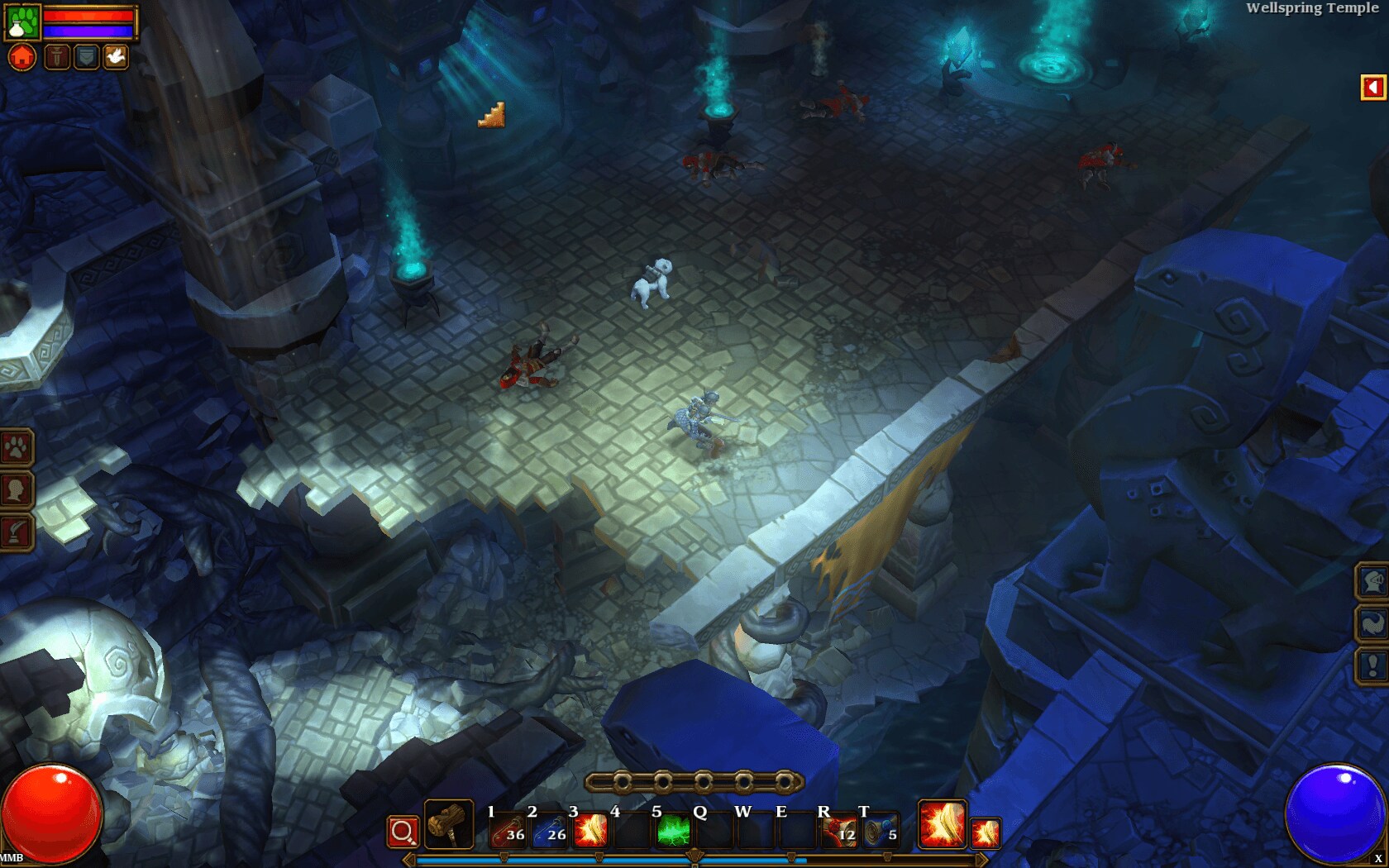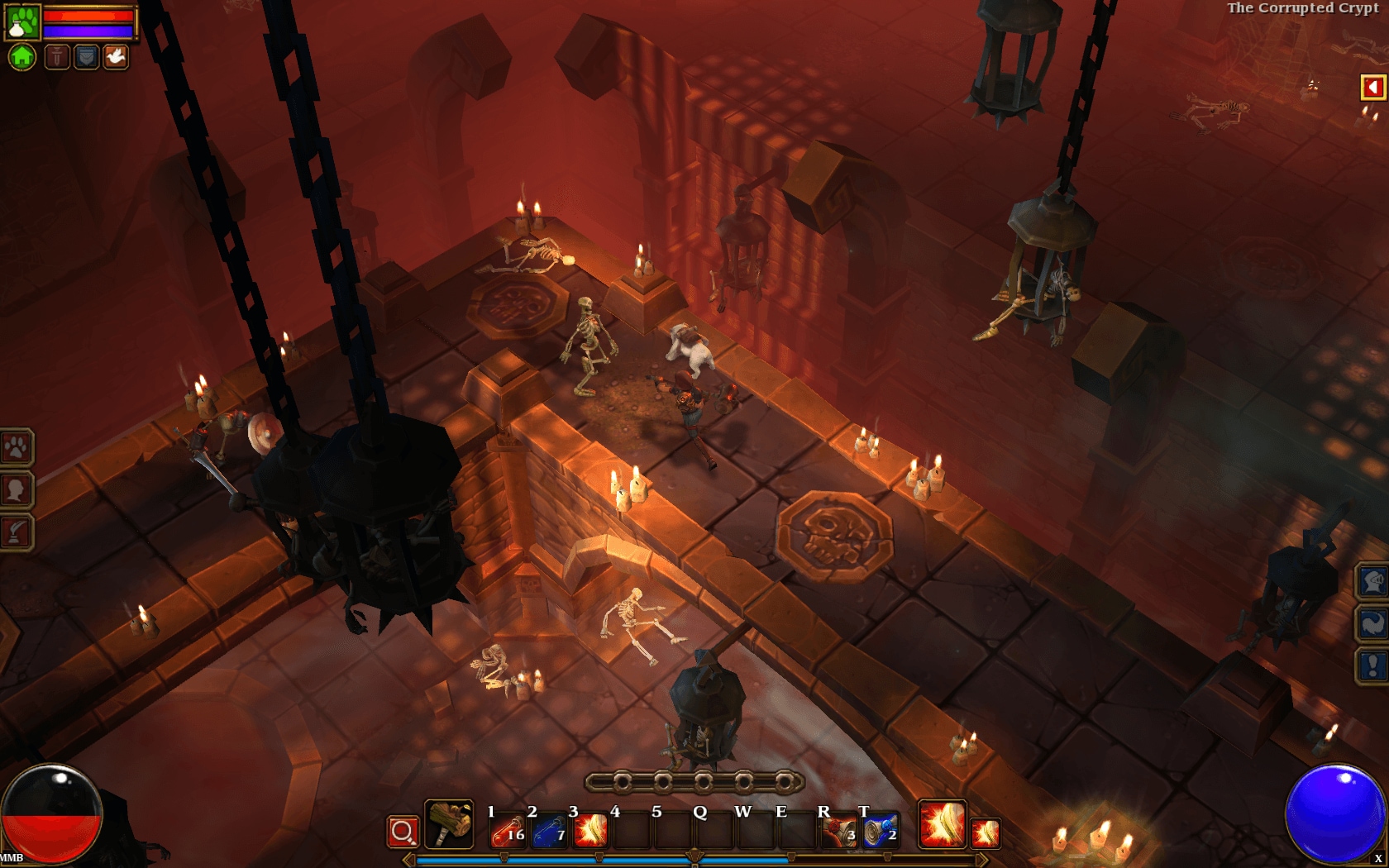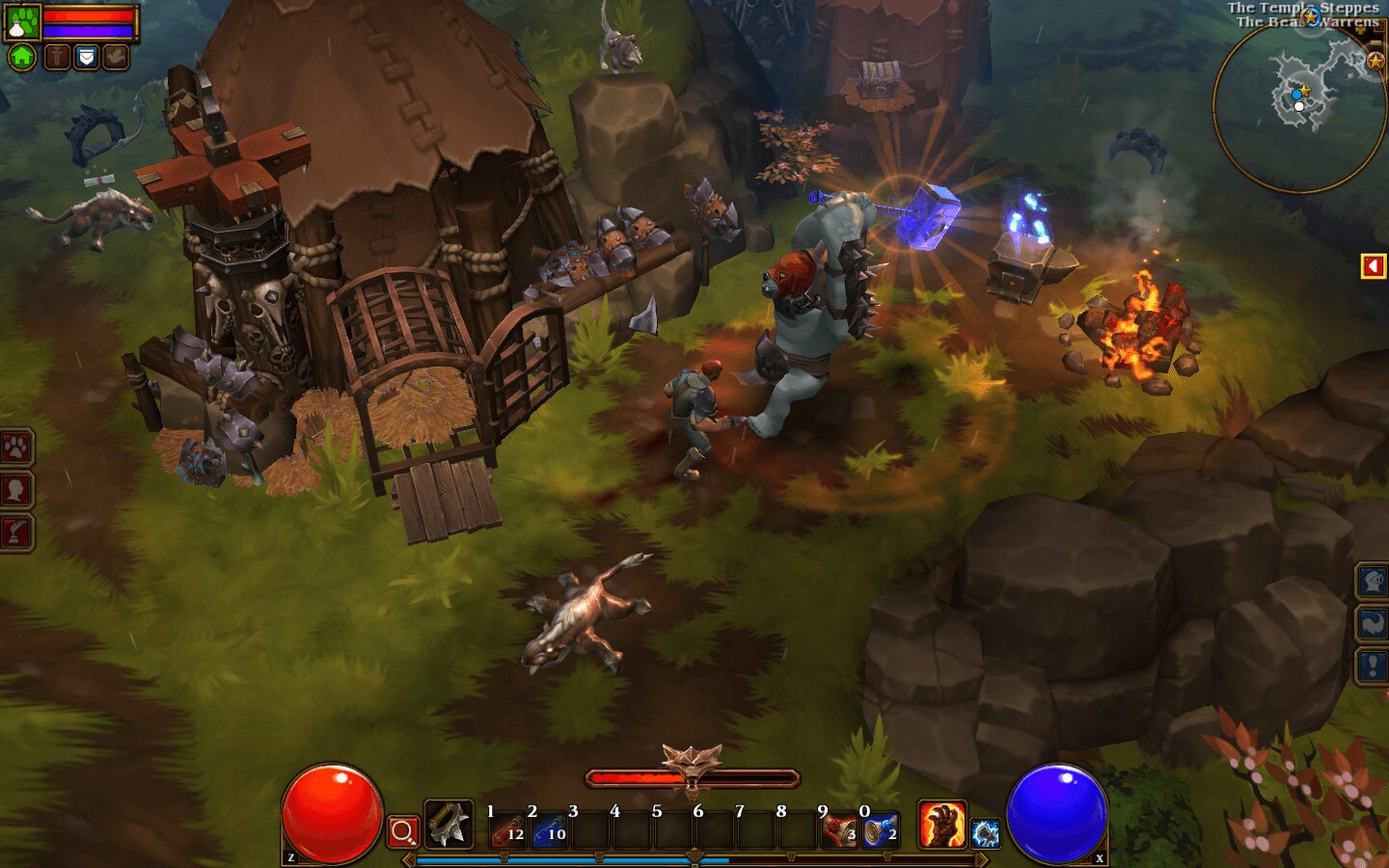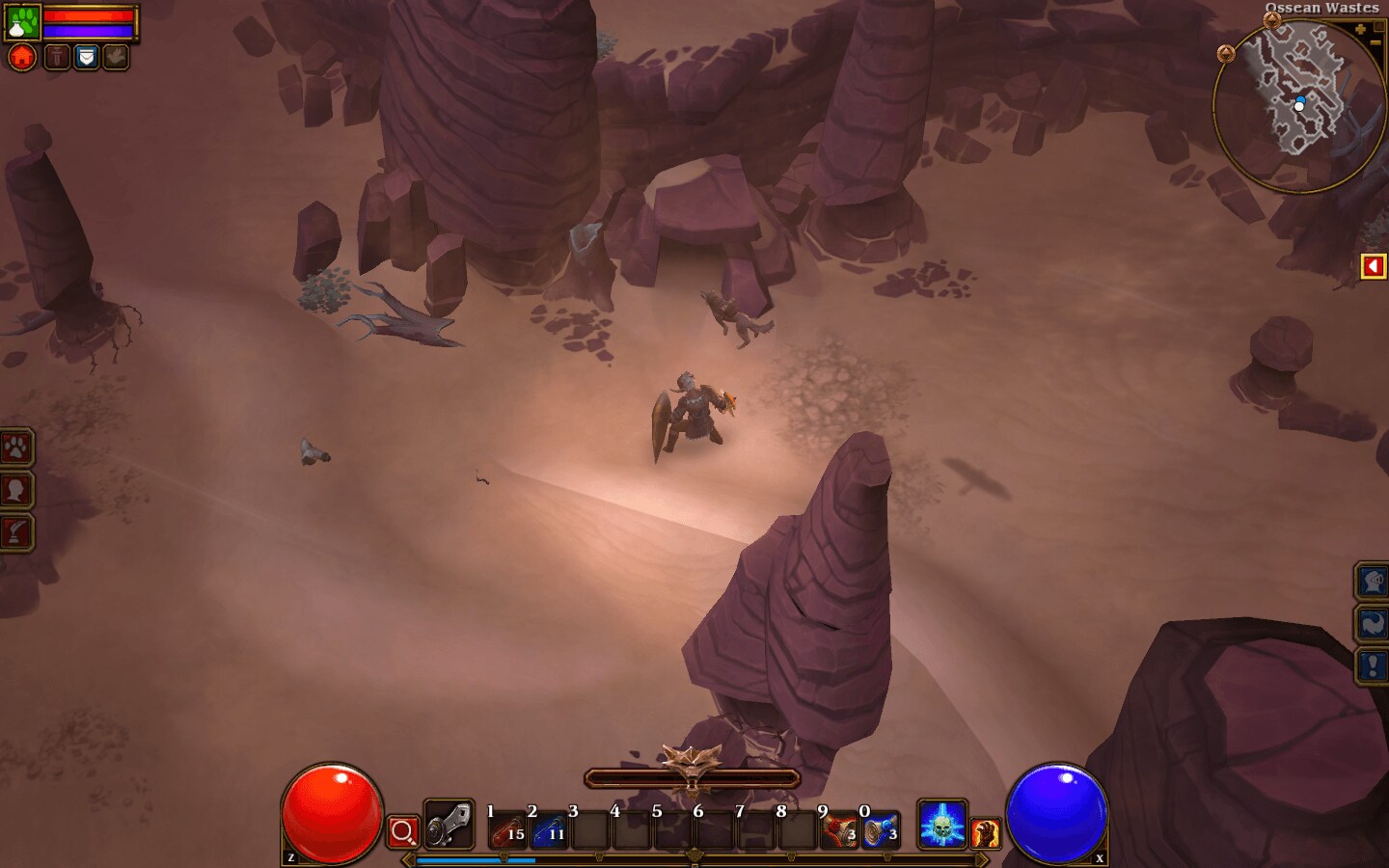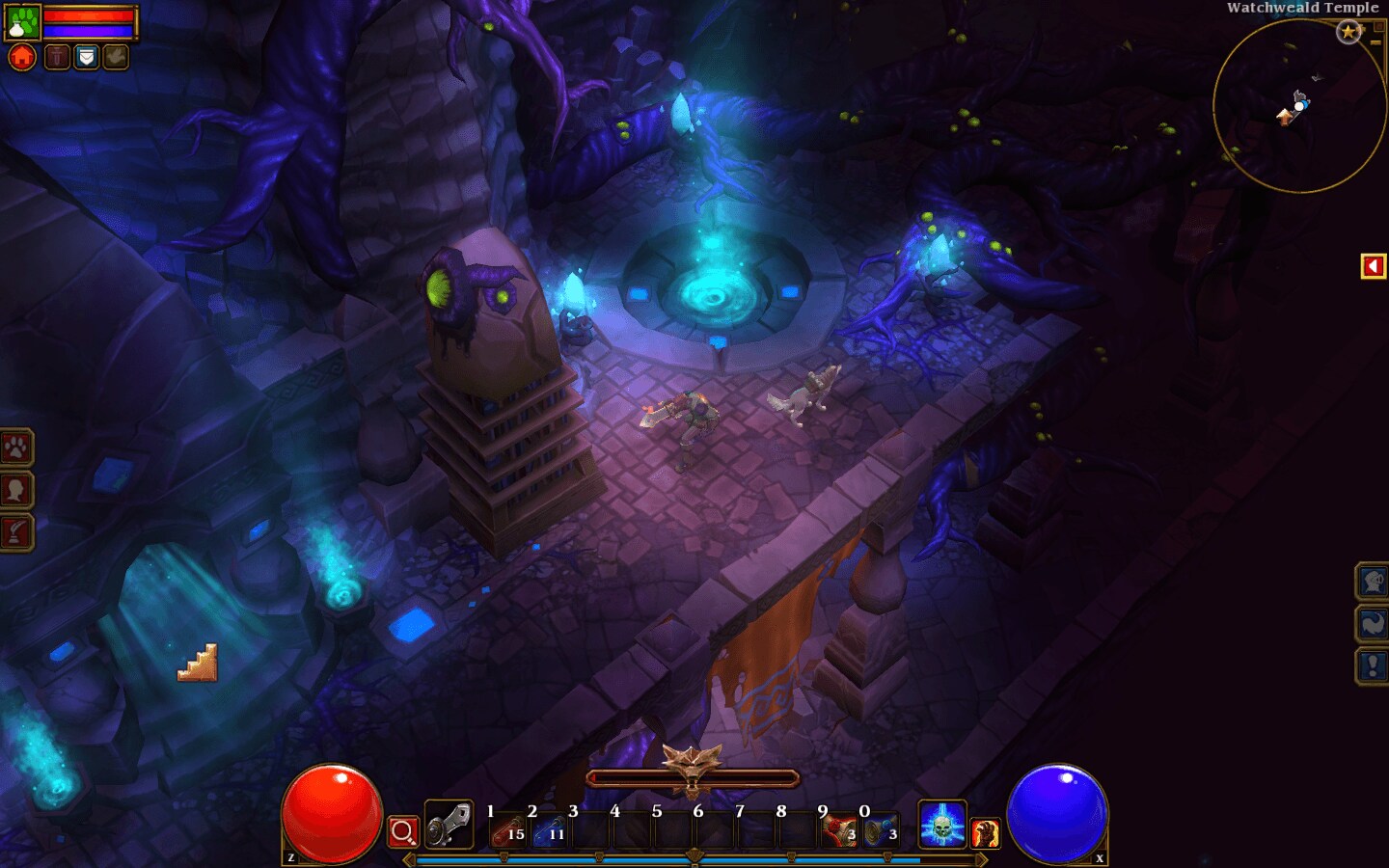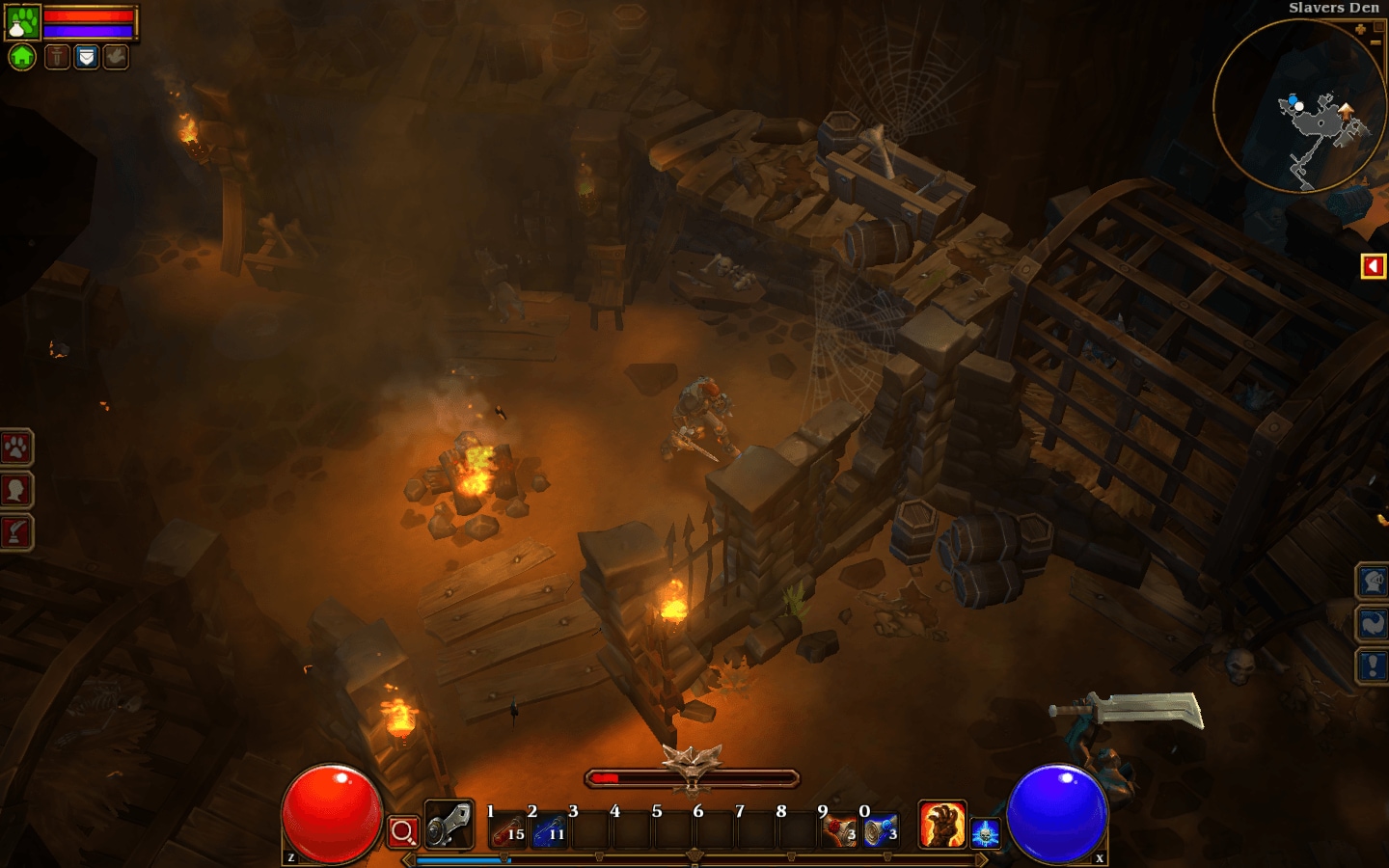



Torchlight returns! The award-winning action RPG is back, bigger and better than ever. Torchlight II takes you once more into the quirky, fast-paced world of bloodthirsty monsters, bountiful treasures, and sinister secrets - and, once again, the fate of the world is in your hands.
 View Media Gallery >
"Runic Games delivers pure, perfectly paced loot-driven euphoria."
-IGN"Torchlight is a vibrant, fun, steampunky world, and exploring it is an absolutely addictive pleasure."
-Joystiq"[A] sprawling, ambitious game that does one thing very, very well. It gives you a world you'll want to explore, filled with enemies you'll love to destroy."
-Kotaku"Grab the game, grab some friends, and get to clicking."
-Destructoid"It's got heart. Moxie. It's the scrappy underdog that everyone wants to love, and it just so happens to be the best Action RPG I've played in years."
-Co-OptimusThe Erosion of the Self: A Portrait of the Boy Who Lost Himself to Drugs
The human identity is often likened to a structure—built brick by brick through childhood memories, familial bonds, personal ambitions, and moral codes. For the boy who loses himself to drugs, however, this structure is not demolished in a single, dramatic explosion. It is eroded quietly, grain by grain, like sandstone worn away by a relentless tide. The tragedy of addiction is not merely the physical deterioration of the body, but the slow, almost imperceptible disappearance of the soul. In the story of this boy, we do not witness a villain’s swift descent, but a human being’s gradual erasure. The Boy Who Lost Himself To Drugs
Yet, to write an essay on this loss without acknowledging the possibility of recovery would be to abandon the boy twice. The human spirit, though fragile, is also remarkably resilient. Losing oneself to drugs is a tragedy of subtraction, but recovery is an act of slow reconstruction. It requires picking up each eroded grain of sand and trying to rebuild the castle. It requires the boy—now often a weary man—to remember who he was before the numbness and decide who he wants to be after the pain. The scars of addiction remain, but they serve not as tombstones for the lost self, but as battlements for the survivor. The Erosion of the Self: A Portrait of
Ultimately, the story of the boy who lost himself to drugs is a cautionary tale about the fragility of identity. It reminds us that every addict was once a child with a name, a dream, and a light in their eyes. It forces us to look past the criminal record or the unkempt appearance and see the erosion for what it is: a slow-motion tragedy. In understanding that addiction is a disease of the self, we learn that compassion, not condemnation, is the only tool strong enough to reach through the haze and call that lost boy home. The tragedy of addiction is not merely the
In the beginning, the boy was defined by curiosity and a search for belonging. Perhaps he was the quiet teenager in the back of the classroom, the talented athlete with a hidden anxiety, or the young artist who felt emotions too deeply for the world to contain. The initial encounter with drugs is rarely a conscious choice to become an addict; rather, it is a misguided attempt at a solution. He sought to quiet the noise of a chaotic home, to numb the sting of social rejection, or to feel a sense of euphoria that his natural environment could not provide. At this stage, the drugs were a mask. He was still there , hiding behind the haze, capable of laughter and regret. The loss had not yet occurred; it was merely threatened.
The final stage of this loss is the most harrowing: the loss of self-preservation. The boy who loses himself to drugs no longer recognizes the face in the mirror. The hollow cheeks and vacant eyes belong to a stranger. He no longer fears the consequences that once would have terrified him—homelessness, incarceration, overdose. He has traded his future for the present and his dignity for the chemical. In this state, the “boy” is a biological fact, but a psychological fiction. His parents may weep over old photographs, searching for the child who loved baseball or the piano, but that child cannot be reasoned with because, in a very real sense, he no longer exists.
As experimentation hardens into habit, the erosion begins. The first bricks to fall are those of reliability and truth. The boy who once kept his promises now crafts elaborate lies to secure his next dose. He steals money from a mother’s purse, sells a cherished guitar, or abandons a loyal friend who stages an intervention. The drug ceases to be a mask and becomes the face. His personality flattens; the specific quirks that made him unique—the dry wit, the love for old films, the gentle way he treated his dog—are replaced by a single, driving calculus: euphoria versus withdrawal. This is the phase of the ghost, where his body moves through the world, but the animating spirit of the boy he was has begun to fade.
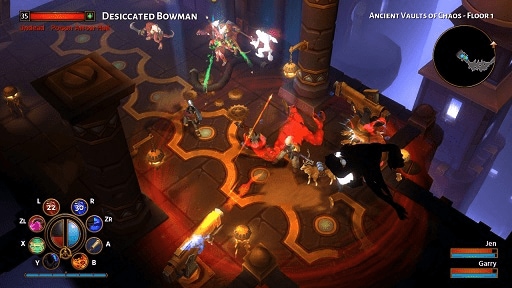
Play co-op with other adventurers via LAN or over the internet (up to 4 players on console, and up to 6 on PC). Experiment with character synergies and defeat the greatest evils of Vilderan together.
The Erosion of the Self: A Portrait of the Boy Who Lost Himself to Drugs
The human identity is often likened to a structure—built brick by brick through childhood memories, familial bonds, personal ambitions, and moral codes. For the boy who loses himself to drugs, however, this structure is not demolished in a single, dramatic explosion. It is eroded quietly, grain by grain, like sandstone worn away by a relentless tide. The tragedy of addiction is not merely the physical deterioration of the body, but the slow, almost imperceptible disappearance of the soul. In the story of this boy, we do not witness a villain’s swift descent, but a human being’s gradual erasure.
Yet, to write an essay on this loss without acknowledging the possibility of recovery would be to abandon the boy twice. The human spirit, though fragile, is also remarkably resilient. Losing oneself to drugs is a tragedy of subtraction, but recovery is an act of slow reconstruction. It requires picking up each eroded grain of sand and trying to rebuild the castle. It requires the boy—now often a weary man—to remember who he was before the numbness and decide who he wants to be after the pain. The scars of addiction remain, but they serve not as tombstones for the lost self, but as battlements for the survivor.
Ultimately, the story of the boy who lost himself to drugs is a cautionary tale about the fragility of identity. It reminds us that every addict was once a child with a name, a dream, and a light in their eyes. It forces us to look past the criminal record or the unkempt appearance and see the erosion for what it is: a slow-motion tragedy. In understanding that addiction is a disease of the self, we learn that compassion, not condemnation, is the only tool strong enough to reach through the haze and call that lost boy home.
In the beginning, the boy was defined by curiosity and a search for belonging. Perhaps he was the quiet teenager in the back of the classroom, the talented athlete with a hidden anxiety, or the young artist who felt emotions too deeply for the world to contain. The initial encounter with drugs is rarely a conscious choice to become an addict; rather, it is a misguided attempt at a solution. He sought to quiet the noise of a chaotic home, to numb the sting of social rejection, or to feel a sense of euphoria that his natural environment could not provide. At this stage, the drugs were a mask. He was still there , hiding behind the haze, capable of laughter and regret. The loss had not yet occurred; it was merely threatened.
The final stage of this loss is the most harrowing: the loss of self-preservation. The boy who loses himself to drugs no longer recognizes the face in the mirror. The hollow cheeks and vacant eyes belong to a stranger. He no longer fears the consequences that once would have terrified him—homelessness, incarceration, overdose. He has traded his future for the present and his dignity for the chemical. In this state, the “boy” is a biological fact, but a psychological fiction. His parents may weep over old photographs, searching for the child who loved baseball or the piano, but that child cannot be reasoned with because, in a very real sense, he no longer exists.
As experimentation hardens into habit, the erosion begins. The first bricks to fall are those of reliability and truth. The boy who once kept his promises now crafts elaborate lies to secure his next dose. He steals money from a mother’s purse, sells a cherished guitar, or abandons a loyal friend who stages an intervention. The drug ceases to be a mask and becomes the face. His personality flattens; the specific quirks that made him unique—the dry wit, the love for old films, the gentle way he treated his dog—are replaced by a single, driving calculus: euphoria versus withdrawal. This is the phase of the ghost, where his body moves through the world, but the animating spirit of the boy he was has begun to fade.
These popular features make their return in Torchlight II in improved form. More choices, better effects, and your pet will still make the run to town to sell your loot so you don't have to.
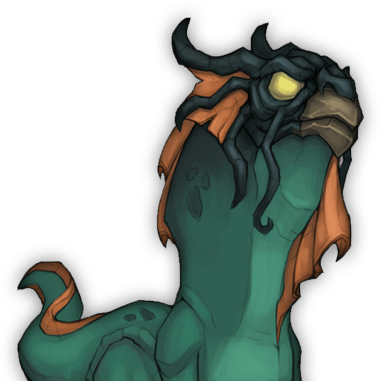
Want to make your own levels and characters? With GUTS, the Torchlight II editor, you’re using the exact same tools we used to make the game. Check out the official wiki to start creating new experiences and share them with the world.
Torchlight II also supports Steam Workshop, allowing for automatic mod subscription and synchronization. Choose from over a thousand mods and bend the game to your will. Or create your own and share your work with the entire world!