Turski Film Plavo Plavo Sa Prevodom -
Available now for Resolve 20

Hawaiki Keyer 5 - the industry’s most sophisticated Green & Blue Screen Keyer now with AI tracking
Hawaiki Keyer 5 builds on the best-in-class keying tools of Hawaiki Keyer 4 and enables you to use them more efficiently with even more powerful and intelligent tools for isolating your foreground.
It's easier than ever to maintain hair and other fine detail by creating secondary keys and dynamic garbage mattes with the new AI-powered face & object tracking and the new realtime edge tracking. And the new Crop tools allow you to exclude the edges of the screen and speed up the rendering of complex keys.
Refining your composite is faster and simpler with all the edge tools that were in a separate plug-in now integrated into Hawaiki Keyer. And we've expanded the compositing toolset with even more edge operations and the ability to resize and composite the background within the plug-in.
On top of this we've refined the UI and operation of the plug-in and optimized it for Apple silicon and HDR.
"For my money, these new features along with the depth of the adjustments available make Hawaiki Keyer 5 the best green/blue-screen keyer plug-in on the market." Oliver Peters - digitalfilms

New in Hawaiki Keyer 5
However, after checking all major film databases (IMDb, SinemaTürk, Beyazperde, Ekşi Sözlük) and Turkish television archives (TRT, Kanal D, ATV, Star TV, BluTV, Gain),
The search for “plavo plavo sa prevodom” (with subtitles) reveals a deeper truth: Balkan audiences do not just watch Turkish films — they rewrite them. They create hybrid texts, where Bosnian subtitles correct the original Turkish, and the color blue becomes a symbol of shared Ottoman-Slavic melancholy. Every failed search for Plavo Plavo is not a frustration, but a small act of cultural co-ownership.
The phrase “turski film plavo plavo sa prevodom” echoes through Balkan forums, social media groups, and YouTube comment sections like a forgotten lullaby. Elderly viewers in Bosnia, Serbia, and North Macedonia swear they remember it: a Turkish melodrama from the 1970s or 1980s, drenched in azure tones, where a fisherman’s son loves a city girl. Yet, no archive confirms its existence. Plavo Plavo (Blue Blue) is a ghost film — a collective memory born from the way Balkan audiences consumed Turkish cinema during the Yugoslav era.
It seems you are asking for an essay related to the phrase (which translates from Bosnian/Croatian/Serbian as "Turkish film 'Plavo Plavo' with translation/subtitles").
In the 1970s and 80s, Yugoslav television broadcast dozens of Turkish films — often with local titles, re-cut, and without proper translation. A film originally called “Mavi Kervan” (Blue Caravan) might have been renamed Plavo Plavo simply because a melancholic character repeated the word “blue” twice. Viewers, hungry for emotion, retained the color more than the plot. This phenomenon, called pareidolia of memory , merged fragments of Selvi Boylum Al Yazmalım (1977), Mavi Sürgün (1993), and a popular Turkish song Mavi Mavi into one single, imagined masterpiece.
How does it work?
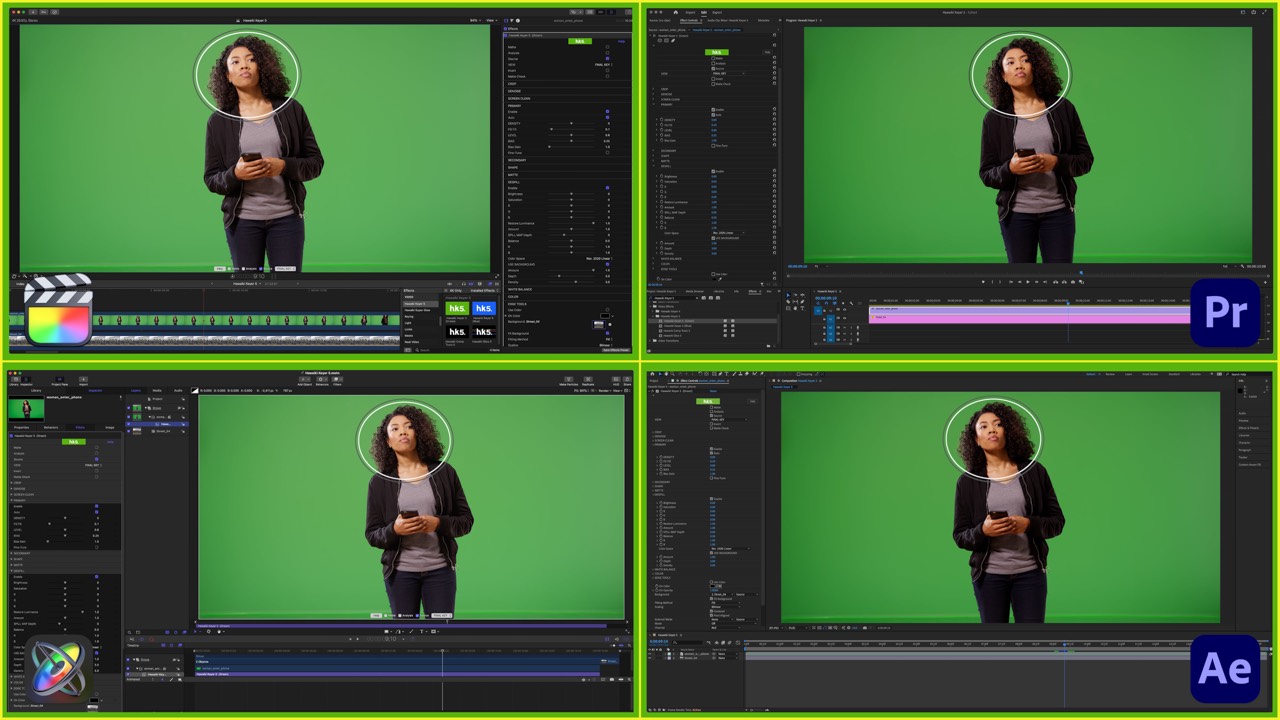
- Hawaiki Keyer 5 can be found in the Resolve Effects Library, Final Cut Pro Effects Browser, the Effects and Preset panel and Effect menu in After Effects, in Premiere Pro within the Effects panel / Video Effects and in the Motion Library tab under Filters. Simply drag it onto your clip to get started.
- The plug-in comes complete with two separate Keying modules, Hawaiki Keyer 5 (Green) and Hawaiki Keyer 5 (Blue). Select whichever is appropriate for your background color: so for green screens select Hawaiki Keyer Green and for blue screens choose Hawaiki Keyer Blue. The operation of both versions is identical but each has been optimised for its respective screen color. For this reason not all the controls work precisely the same between the two modules.
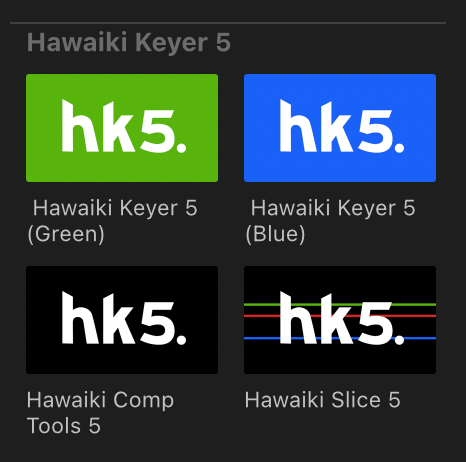
- Hawaiki Comp Tools and Hawaiki Slice can be used with either green or blue screens.
- Check out the Manual for more details.
Upgrading to Hawaiki Keyer 5
- Hawaiki Keyer 5 is a new product so doesn't overwrite your existing Hawaiki Keyer plug-ins.
- You can install Hawaiki Keyer 5 while continuing to use any older versions.
- Current users of Hawaiki Keyer are eligible for a 50% discount on the full price.
- for more information.
System Requirements
macOS: macOS 14.7 Sonoma +, macOS 15 Sequoia +, macOS 26 Tahoe
FxFactory: 8.0.27 +
Apps: DaVincei Resolve 20 +, Final Cut Pro 10.6 +, Motion 5.6 +, Premiere Pro 22 +, After Effects 22 +
Overview
Turski Film Plavo Plavo Sa Prevodom -
However, after checking all major film databases (IMDb, SinemaTürk, Beyazperde, Ekşi Sözlük) and Turkish television archives (TRT, Kanal D, ATV, Star TV, BluTV, Gain),
The search for “plavo plavo sa prevodom” (with subtitles) reveals a deeper truth: Balkan audiences do not just watch Turkish films — they rewrite them. They create hybrid texts, where Bosnian subtitles correct the original Turkish, and the color blue becomes a symbol of shared Ottoman-Slavic melancholy. Every failed search for Plavo Plavo is not a frustration, but a small act of cultural co-ownership. turski film plavo plavo sa prevodom
The phrase “turski film plavo plavo sa prevodom” echoes through Balkan forums, social media groups, and YouTube comment sections like a forgotten lullaby. Elderly viewers in Bosnia, Serbia, and North Macedonia swear they remember it: a Turkish melodrama from the 1970s or 1980s, drenched in azure tones, where a fisherman’s son loves a city girl. Yet, no archive confirms its existence. Plavo Plavo (Blue Blue) is a ghost film — a collective memory born from the way Balkan audiences consumed Turkish cinema during the Yugoslav era. However, after checking all major film databases (IMDb,
It seems you are asking for an essay related to the phrase (which translates from Bosnian/Croatian/Serbian as "Turkish film 'Plavo Plavo' with translation/subtitles"). The phrase “turski film plavo plavo sa prevodom”
In the 1970s and 80s, Yugoslav television broadcast dozens of Turkish films — often with local titles, re-cut, and without proper translation. A film originally called “Mavi Kervan” (Blue Caravan) might have been renamed Plavo Plavo simply because a melancholic character repeated the word “blue” twice. Viewers, hungry for emotion, retained the color more than the plot. This phenomenon, called pareidolia of memory , merged fragments of Selvi Boylum Al Yazmalım (1977), Mavi Sürgün (1993), and a popular Turkish song Mavi Mavi into one single, imagined masterpiece.
Installation
Hawaiki Keyer 5 is available through FxFactory.

Download FxFactory to install Hawaiki Keyer 5.