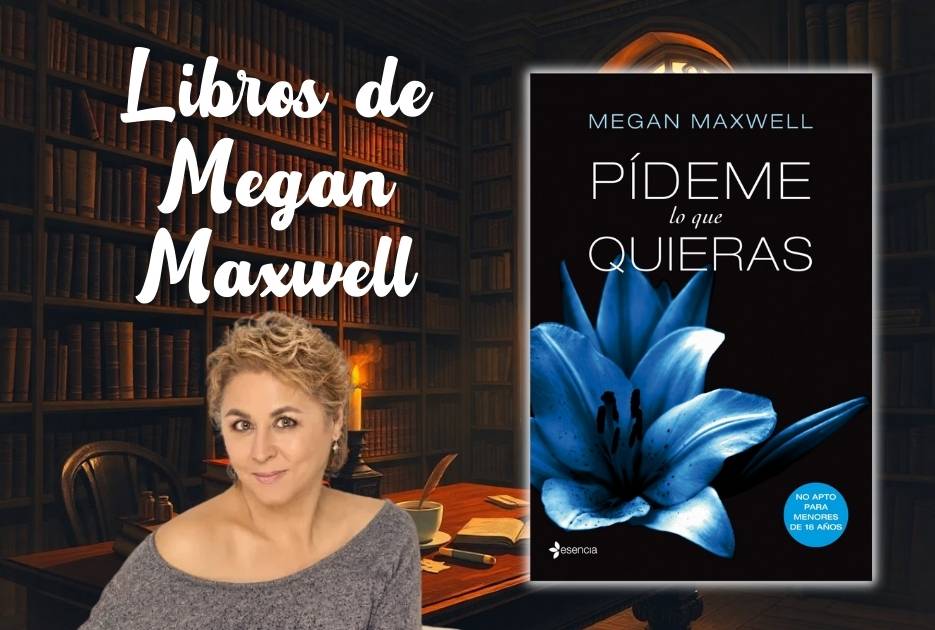
Libros de Megan Maxwell en Orden

Veolia Lodz | QUICK | REPORT |

The core of Veolia’s mission in Łódź lies in district heating. Over 80% of households in Łódź are connected to the company’s heating network, a legacy of the communist-era infrastructure that Veolia has modernized extensively since acquiring the assets in the late 1990s. Unlike individual coal-fired boilers, which once choked the city with smog, Veolia’s centralized system allows for rigorous emission controls. The flagship EC-4 plant, modernized with high-efficiency cogeneration units, produces electricity and heat simultaneously, achieving fuel efficiency rates that exceed 80%. This technological upgrade has been instrumental in reducing Łódź’s infamous particulate matter (PM10 and PM2.5) levels, directly improving respiratory health for its 670,000 residents.

Despite these advances, Veolia Łódź faces considerable challenges. Poland’s energy mix remains heavily reliant on coal, and Veolia’s local plants have historically depended on this fuel. The company has committed to phasing out coal by 2030, but the transition requires massive investment in gas peakers, biomass, and solar farms—all while maintaining affordable prices for a population sensitive to energy poverty. Furthermore, the company must navigate the political volatility of European Union emissions trading schemes (ETS), which drive up operational costs. Critics argue that while waste incineration is better than landfilling, it can disincentivize higher forms of recycling. Veolia counters that its facility only processes non-recyclable leftovers, adhering to the EU’s waste hierarchy.

In conclusion, Veolia Łódź serves as a compelling case study of post-industrial urban utility management. It has successfully rebranded the act of heating a city from a source of environmental degradation into an engine of circular efficiency. By linking the warmth of a radiator to the trash on the curb, Veolia has made the abstract concept of the circular economy tangible for ordinary citizens. As Łódź continues to regenerate its former factory floors into office parks and museums, Veolia provides the invisible steam—cleaner and smarter than before—that proves a post-coal, circular future is already under construction.

However, Veolia Łódź’s most revolutionary contribution is its embrace of the circular economy via waste incineration. In 2016, the company launched a modern Waste-to-Energy (WtE) plant—the first of its kind in Poland to be built by a private entity. This facility does not simply burn trash; it processes residual municipal waste that cannot be recycled, diverting it from landfills. The heat generated from combustion is fed directly into the district heating network. Consequently, a significant portion of the hot water heating apartments in the city center originates from the city’s own garbage. This closed-loop system solves two problems simultaneously: it eliminates the need for landfills and reduces the consumption of fossil fuels like coal and natural gas.


Conversaciones

Veolia Lodz | QUICK | REPORT |

The core of Veolia’s mission in Łódź lies in district heating. Over 80% of households in Łódź are connected to the company’s heating network, a legacy of the communist-era infrastructure that Veolia has modernized extensively since acquiring the assets in the late 1990s. Unlike individual coal-fired boilers, which once choked the city with smog, Veolia’s centralized system allows for rigorous emission controls. The flagship EC-4 plant, modernized with high-efficiency cogeneration units, produces electricity and heat simultaneously, achieving fuel efficiency rates that exceed 80%. This technological upgrade has been instrumental in reducing Łódź’s infamous particulate matter (PM10 and PM2.5) levels, directly improving respiratory health for its 670,000 residents.

Despite these advances, Veolia Łódź faces considerable challenges. Poland’s energy mix remains heavily reliant on coal, and Veolia’s local plants have historically depended on this fuel. The company has committed to phasing out coal by 2030, but the transition requires massive investment in gas peakers, biomass, and solar farms—all while maintaining affordable prices for a population sensitive to energy poverty. Furthermore, the company must navigate the political volatility of European Union emissions trading schemes (ETS), which drive up operational costs. Critics argue that while waste incineration is better than landfilling, it can disincentivize higher forms of recycling. Veolia counters that its facility only processes non-recyclable leftovers, adhering to the EU’s waste hierarchy. veolia lodz

In conclusion, Veolia Łódź serves as a compelling case study of post-industrial urban utility management. It has successfully rebranded the act of heating a city from a source of environmental degradation into an engine of circular efficiency. By linking the warmth of a radiator to the trash on the curb, Veolia has made the abstract concept of the circular economy tangible for ordinary citizens. As Łódź continues to regenerate its former factory floors into office parks and museums, Veolia provides the invisible steam—cleaner and smarter than before—that proves a post-coal, circular future is already under construction. The core of Veolia’s mission in Łódź lies

However, Veolia Łódź’s most revolutionary contribution is its embrace of the circular economy via waste incineration. In 2016, the company launched a modern Waste-to-Energy (WtE) plant—the first of its kind in Poland to be built by a private entity. This facility does not simply burn trash; it processes residual municipal waste that cannot be recycled, diverting it from landfills. The heat generated from combustion is fed directly into the district heating network. Consequently, a significant portion of the hot water heating apartments in the city center originates from the city’s own garbage. This closed-loop system solves two problems simultaneously: it eliminates the need for landfills and reduces the consumption of fossil fuels like coal and natural gas. Poland’s energy mix remains heavily reliant on coal,

Estás en la Orden Lectora

Somos una comunidad en crecimiento. Si te gusta este contenido, considera registrarte. ¡Tu participación ayuda a que esto crezca! 🌱
👉 Únete al foro o preséntate en la comunidad.

Buscar en la comunidad

Lo más leído

Etiquetas

Aventura Biografía Ciencia Ficción Fantasía Libros más leídos Misterio No Ficción Novela Histórica Poesía Romance Terror Thriller Young Adult

Únete a la Orden

Comparte con otros lectores y forma parte de una comunidad que ama los libros tanto como tú.

Lee también:

Cada libro tiene su lugar en nuestra comunidad.


Orden Lectora – Tu Foro para hablar de libros