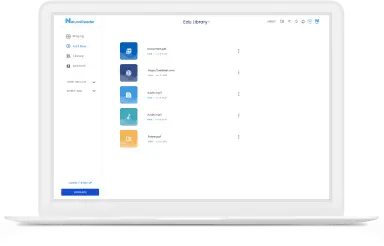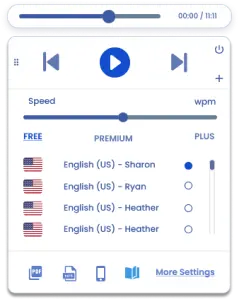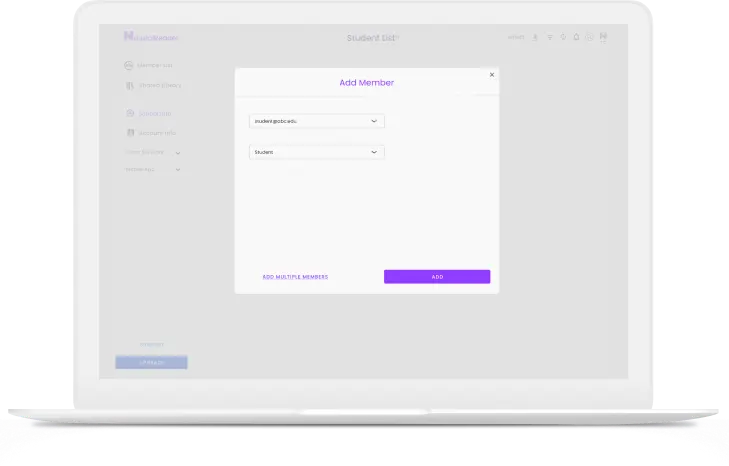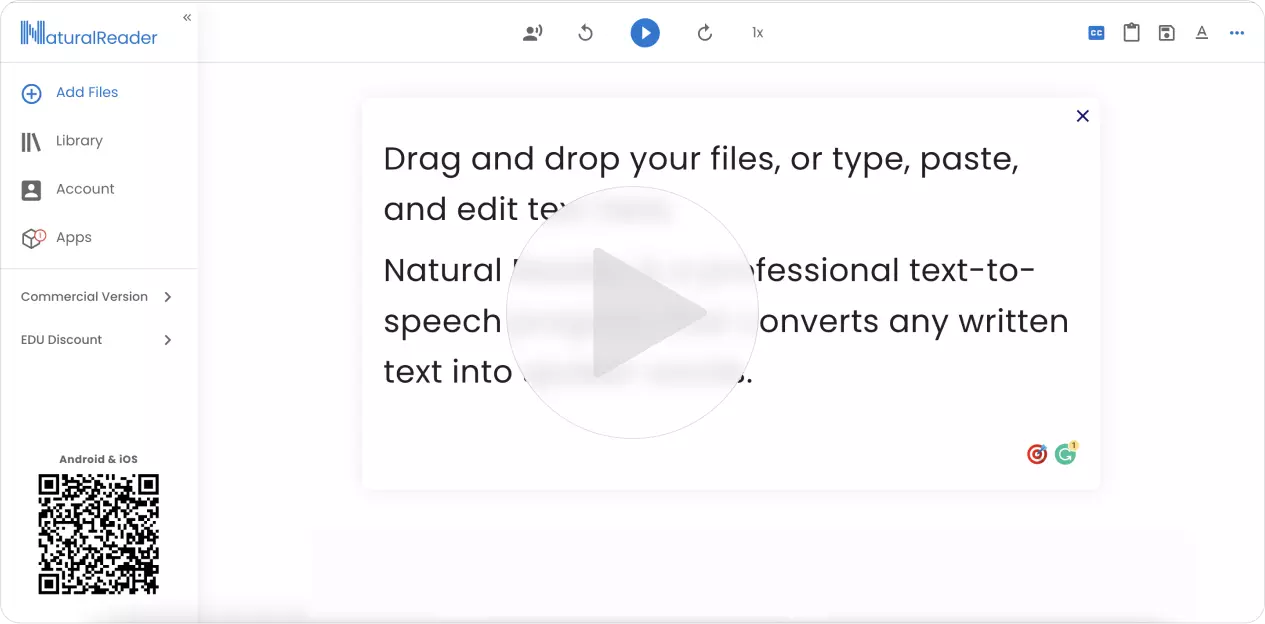
One account, all of NaturalReader
Add members through email or class code, share documents to a class, and manage or delete classes and members
Learn About EDUIn the annals of operating system history, few releases have achieved the iconic status of Microsoft’s Windows XP. Launched in 2001, its stability and user-friendly interface made it a mainstay on personal computers for over a decade. Following its official end-of-life in April 2014, a peculiar digital ecosystem emerged: the “custom OS” scene. Among the most infamous and mythologized of these fan-made modifications is Windows XP Dark Edition v7 Rebirth . This essay examines the origins, purported features, cultural allure, and significant security risks of this unofficial operating system, arguing that while it represents a fascinating chapter in hacker folklore and user customization, its practical use is a dangerous exercise in digital archaeology.
The Phantom Menace: Deconstructing the Mythology and Risks of Windows XP Dark Edition v7 Rebirth
However, nostalgia must be tempered with pragmatism. The “Dark Edition” is not a viable operating system but a hazardous curiosity. For those who wish to experience its aesthetic, the only safe environment is an air-gapped virtual machine with no network access, purely for historical exploration. To use it as a daily driver would be to invite identity theft, data loss, and participation in a botnet. Ultimately, the legacy of Windows XP Dark Edition v7 Rebirth is less about its features and more about what it warns us: in the digital world, unverified modifications of critical system software are best left as folklore, not installed on real hardware.